

Hair loss treatments have evolved dramatically over the past decade. For many years, surgery dominated the conversation, with transplants considered the only long-term solution. But as we move into 2026, a noticeable shift is happening across the UK.
Patients are increasingly turning toward advanced regenerative treatments that restore hair growth without surgery.
This change is particularly visible in the West Midlands. Clinics are reporting a rising demand for Hair transplant alternatives Birmingham, driven by new technologies that focus on improving scalp health, stimulating follicles, and encouraging natural regrowth.
From exosome therapy to platelet-rich plasma, the modern approach is less about replacing hair and more about reactivating the follicles people already have.
The Shift Away from Traditional Hair Transplants
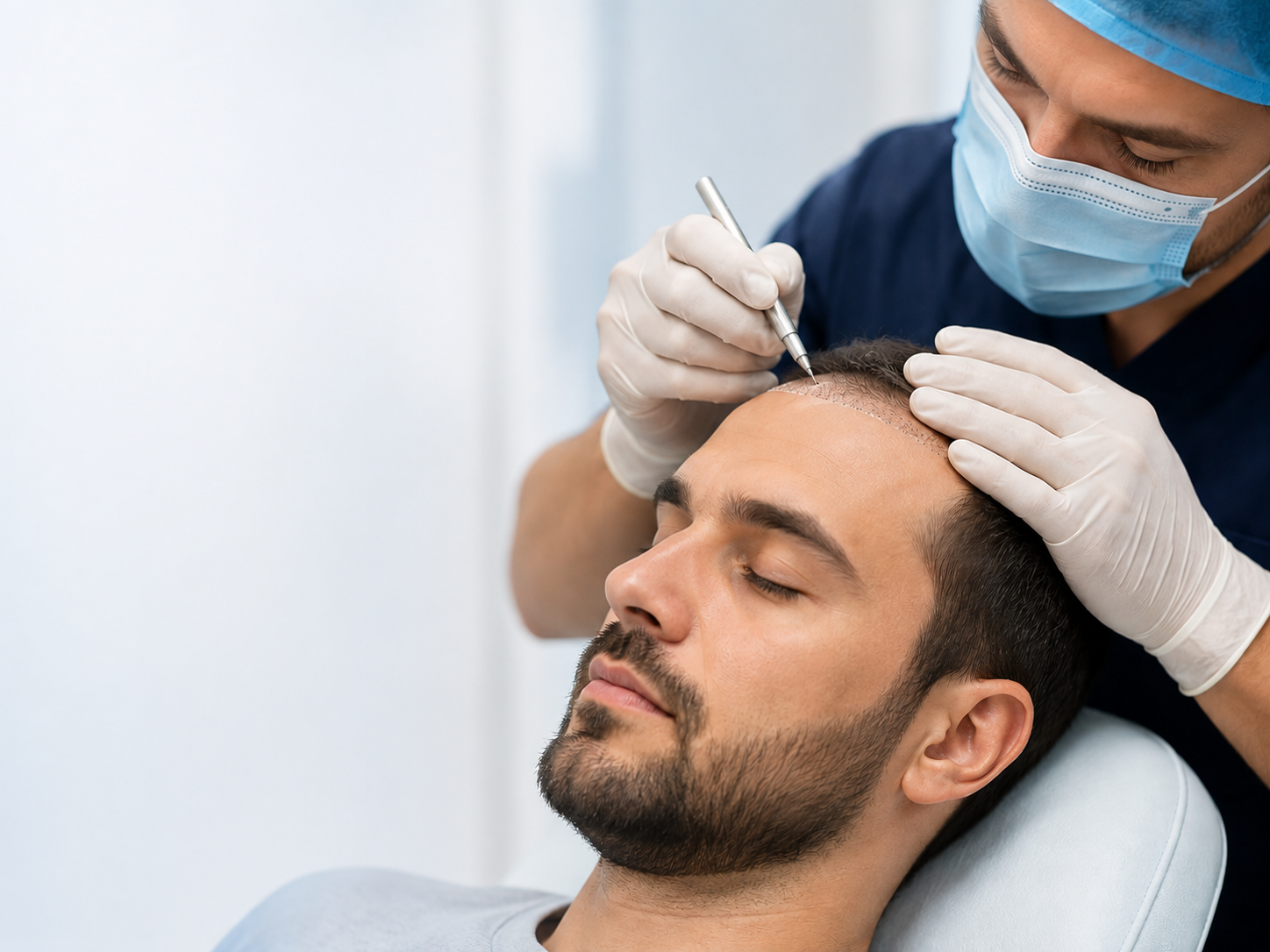
Hair transplant surgery has helped many people regain their hairline, but it comes with certain limitations.
The procedure requires surgical extraction of follicles, careful graft placement, and a recovery period that can last several weeks.
In contrast, the growing interest in Hair transplant alternatives Birmingham reflects a broader trend in healthcare: patients want treatments that are effective but minimally invasive.
Several factors are driving this change:
- Growing awareness of regenerative medicine
- Advancements in follicle bio-stimulation technology
- Shorter recovery periods
- Lower procedural risk
- More natural-looking results over time
As a result, the conversation is moving beyond surgery and toward treatments designed to restore the scalp’s natural ability to produce healthy hair.
The Rise of Non-Surgical Hair Restoration in the UK
The UK has become a leader in regenerative aesthetics, and Non-surgical hair restoration UK 2026 is quickly becoming the preferred pathway for people experiencing thinning hair.
Instead of relocating follicles from one part of the scalp to another, these treatments work by strengthening and reactivating dormant follicles.
This approach has sparked what many specialists call the scalp-first hair health revolution. Rather than focusing only on the visible hair, doctors now prioritise the condition of the scalp environment itself.
Common non-surgical options include:
- Platelet-rich plasma injections
- Exosome-based therapies
- Stem-cell derived treatments
- Bio-stimulation procedures that awaken dormant follicles
Many patients exploring Hair transplant alternatives Birmingham start with a professional Hair Loss Consultation Birmingham to determine which approach best suits their level of hair thinning.
How Bio-Stimulation Activates Dormant Hair Follicles
One of the most exciting developments in hair restoration is bio-stimulation for hair growth.
This technique focuses on activating the biological processes that control hair production. When follicles become dormant, they stop producing visible hair but remain alive beneath the scalp. Bio-stimulation therapies aim to reactivate these follicles.
The process typically works through three key mechanisms:
- Increasing blood circulation to the scalp
- Delivering growth factors directly to hair follicles
- Stimulating stem-cell activity within the follicle structure
Over time, these biological signals can encourage follicles to re-enter the active growth phase.
Because of these advances, Hair transplant alternatives Birmingham are now capable of producing meaningful improvements in hair density without surgical intervention.
Platelet-Rich Plasma (PRP) vs. Exosomes
Among the most talked-about regenerative treatments are Platelet-Rich Plasma (PRP) vs. Exosomes. Both methods aim to stimulate follicle regeneration, but they work slightly differently.
PRP Hair Therapy
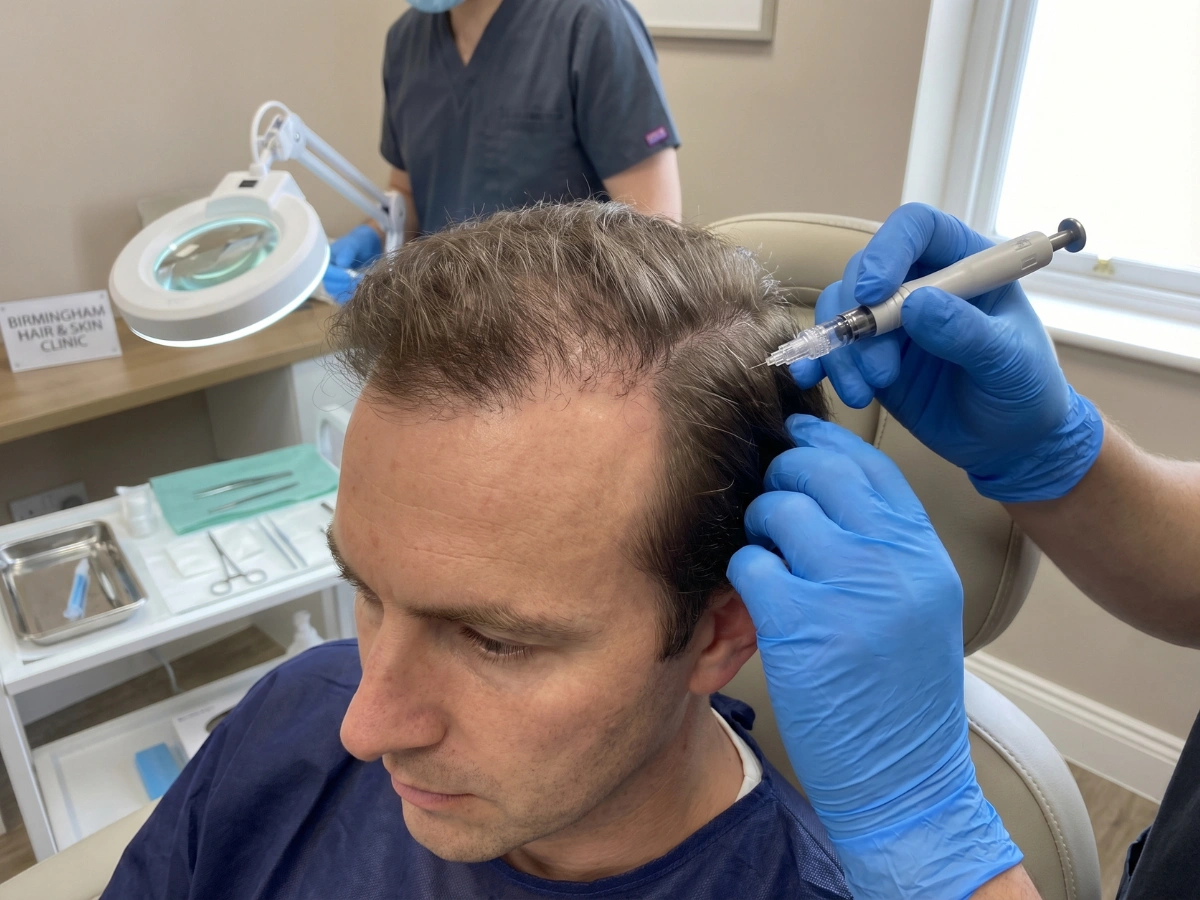
PRP involves drawing a small amount of the patient’s blood, processing it to isolate platelet-rich plasma, and injecting it into thinning areas of the scalp. These platelets release growth factors that encourage follicle repair.
Patients interested in this option often explore PRP Hair Treatment Birmingham, which has become one of the most established regenerative hair therapies.
Exosome Therapy
A newer and increasingly popular option is Exosome hair treatment UK. Exosomes are microscopic extracellular vesicles that carry powerful regenerative signals between cells.
When applied to the scalp, they deliver proteins, RNA, and growth factors that help activate follicles and support scalp healing.
Many specialists believe exosomes represent the next step in Hair transplant alternatives Birmingham, especially for patients with early-stage thinning.
You can learn more about this regenerative approach through Exosome Hair Therapy UK, which focuses specifically on follicle regeneration.
Stem Cell Hair Regrowth and the Future of Follicle Science
Another area attracting significant attention is Stem cell hair regrowth UK.
Stem-cell based treatments focus on stimulating the regenerative cells already present in the scalp. These cells are capable of repairing tissue and promoting new hair production when properly activated.
Although still developing, stem-cell therapy is part of a broader wave of regenerative hair therapy Birmingham clinics are introducing.
Experts believe these treatments will continue to evolve rapidly over the next decade, offering increasingly personalised solutions for hair thinning.
Is Regenerative Hair Therapy Better Than a Transplant?
This is one of the most common questions patients ask.
The answer depends largely on the stage of hair loss.
Regenerative treatments are often ideal for:
- Early-stage thinning
- Weak or miniaturised follicles
- Patients wanting to avoid surgery
- People seeking natural hair thickening
Surgery may still be appropriate for advanced baldness where follicles are no longer present.
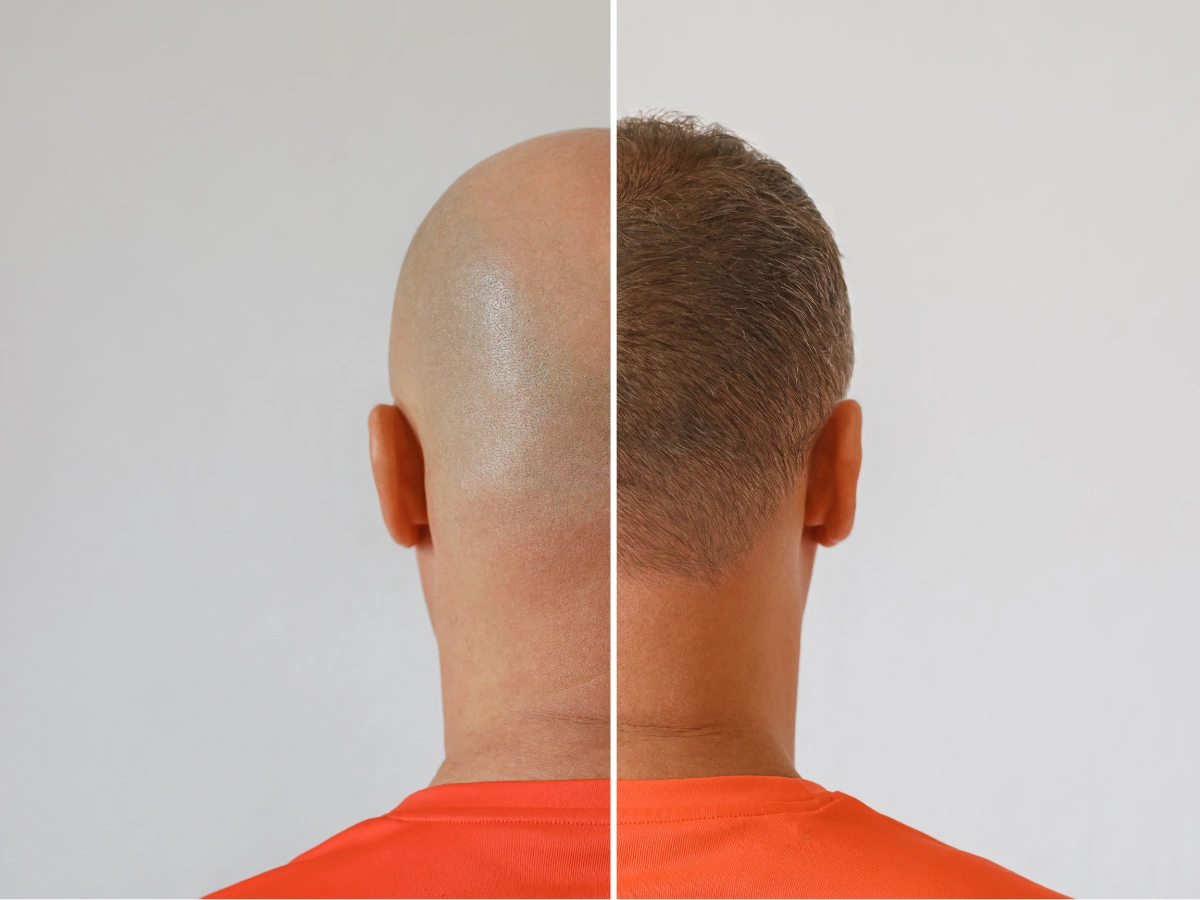
However, many individuals today prefer starting with Hair transplant alternatives Birmingham before considering surgery, as these treatments preserve existing hair and may delay or eliminate the need for a transplant.
Recovery Time: Bio-Stimulation vs. Surgery
Recovery time is another reason patients are exploring non-surgical treatments.
Hair transplant surgery
- Recovery: 10–14 days for visible healing
- Redness and scabbing common
- Physical activity restrictions for several weeks
Bio-stimulation treatments
- Minimal downtime
- Most patients return to normal activities within 24 hours
- Gradual improvement in hair density over several months
This shorter recovery window makes Hair transplant alternatives Birmingham particularly appealing to professionals who cannot take extended time off work.
Cost of Non-Surgical Hair Restoration in Birmingham
Another common concern is pricing.
The cost of non-surgical hair restoration in Birmingham varies depending on the treatment type and number of sessions required.
Typical price ranges include:
- PRP therapy: £250–£500 per session
- Exosome therapy: £800–£2,000 depending on treatment protocol
- Combined regenerative treatments: personalised treatment plans
Although multiple sessions may be recommended, many patients still prefer this route due to its gradual and natural results.
A detailed consultation at an Advanced Hair Restoration Clinic Birmingham can provide a clearer treatment plan and cost estimate based on individual hair loss patterns.
Natural Hair Thinning Solutions in Birmingham
Another reason regenerative treatments are growing in popularity is their focus on natural hair thinning solutions Birmingham patients can trust.
Rather than replacing hair, these therapies aim to:
- Strengthen existing follicles
- Improve scalp health
- Increase hair thickness
- Slow down further hair loss
This philosophy aligns with the broader scalp-first hair health revolution, which focuses on long-term hair vitality rather than short-term cosmetic fixes.
Choosing the Best Clinic for Thinning Hair in the West Midlands
If you are considering treatment, choosing the best clinic for thinning hair in West Midlands is essential.
Look for clinics that offer:
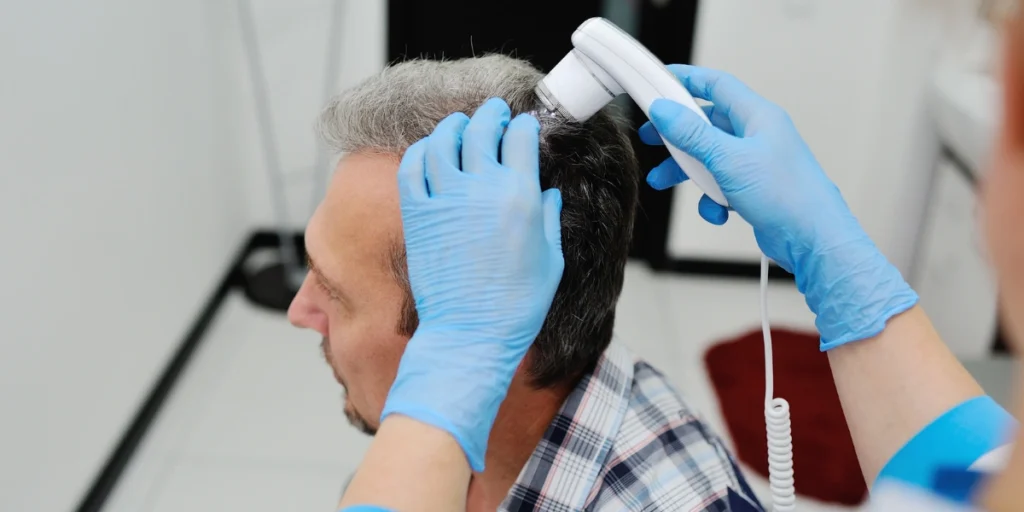
- Detailed scalp diagnostics
- Multiple regenerative treatment options
- Experienced medical practitioners
- Personalised treatment plans
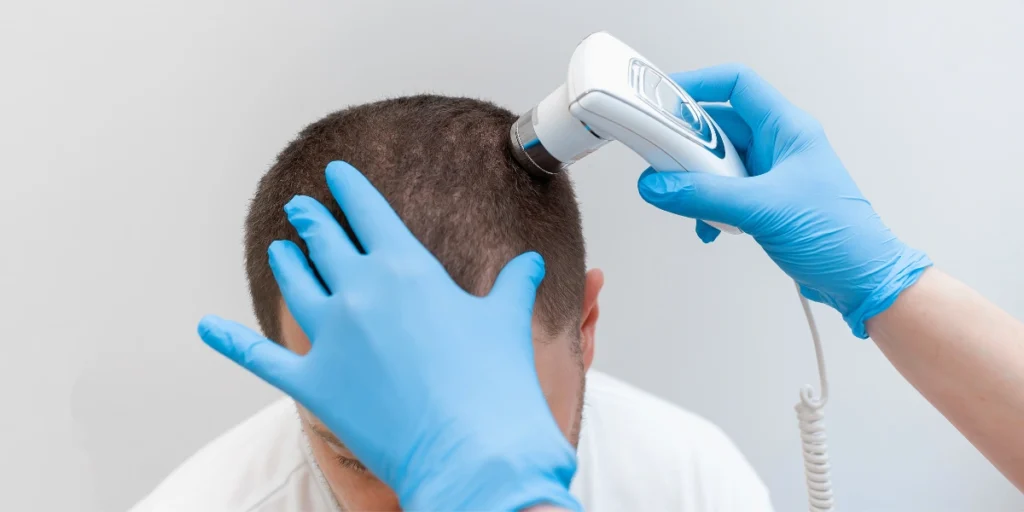
Patients exploring Hair transplant alternatives Birmingham often begin with a professional consultation where specialists evaluate scalp health, hair density, and follicle activity before recommending treatment
Options such as Non-Surgical Hair Replacement Birmingham can also be discussed alongside regenerative therapies to create a tailored approach.
The Future of Hair Restoration in 2026 and Beyond
Hair restoration is entering an exciting new phase. As regenerative medicine continues to advance, treatments are becoming more sophisticated, less invasive, and more effective.
For many patients across Birmingham and the West Midlands, surgery is no longer the first option. Instead, bio-stimulation, exosomes, PRP, and stem-cell therapies are redefining how hair loss is treated.
The growing popularity of Hair transplant alternatives Birmingham reflects a broader shift toward treatments that prioritise natural regrowth, scalp health, and long-term follicle vitality.
In short, the future of hair restoration is not just about replacing lost hair. It is about restoring the biological environment that allows healthy hair to grow again.