

Hair restoration has changed quickly over the past few years. What was once limited to transplants or platelet-rich plasma is now evolving into something more refined and biologically targeted.
Across the West Midlands, clinics in Birmingham are seeing a noticeable shift. Patients who once booked standard PRP sessions are now asking about exosomes.
In 2026, the conversation around PRP vs Exosomes 2026 is no longer theoretical. It is practical, clinical, and patient-driven.
And at the centre of this shift is a growing interest in Exosome Therapy Birmingham clinics are now offering as part of broader regenerative programmes.
Let’s break down why.
The Shift From PRP to Biologic Therapies
PRP, or platelet-rich plasma, has been a popular option for over a decade. It works by extracting a patient’s blood, concentrating the platelets, and re-injecting them into the scalp to stimulate dormant follicles.
For many, it delivered moderate improvement. But results could be inconsistent. Outcomes depended heavily on individual platelet quality, age, and general health.
Now, clinics are moving toward biologic signalling treatments rather than simply growth factor stimulation. That is where exosomes come in.
Across regenerative hair loss UK practices, the focus is shifting to cell communication rather than just cell activation.
Patients are not only asking whether PRP works. They are asking whether something more advanced works better.
What Is Exosome Therapy and How Does It Work?
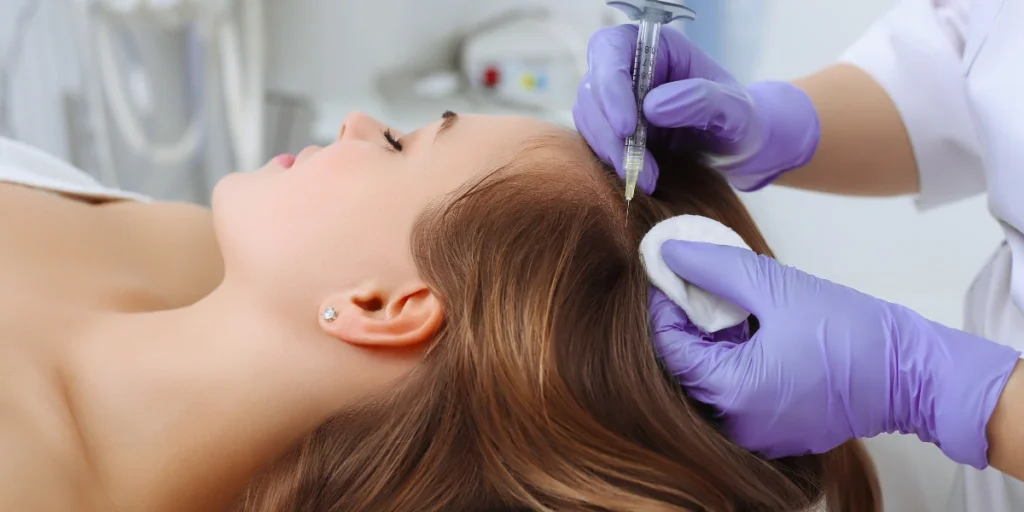
Exosomes are microscopic extracellular vesicles released by stem cells. Think of them as biological messengers. They carry proteins, growth factors, lipids, and RNA that signal surrounding cells to repair and regenerate.
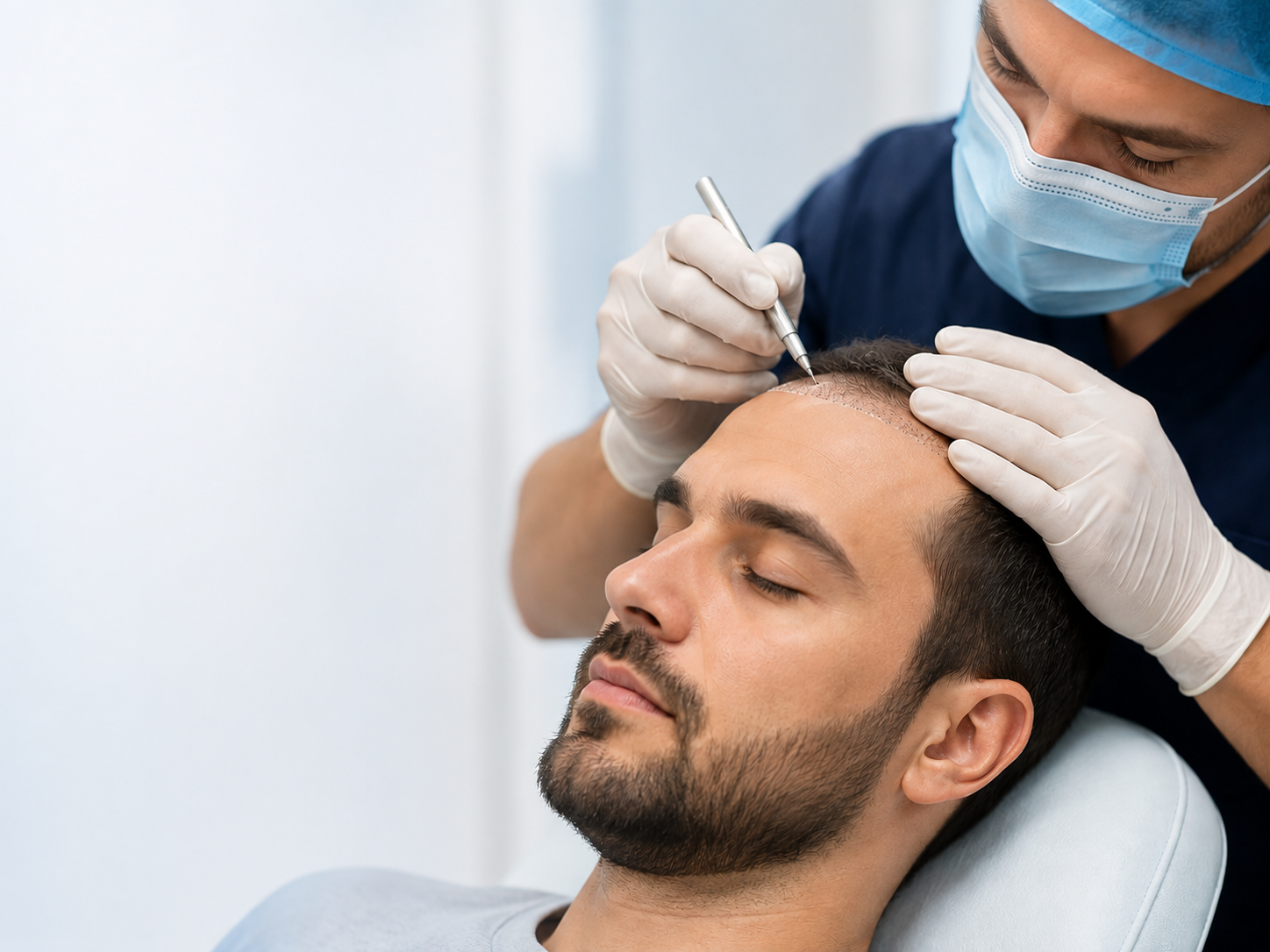
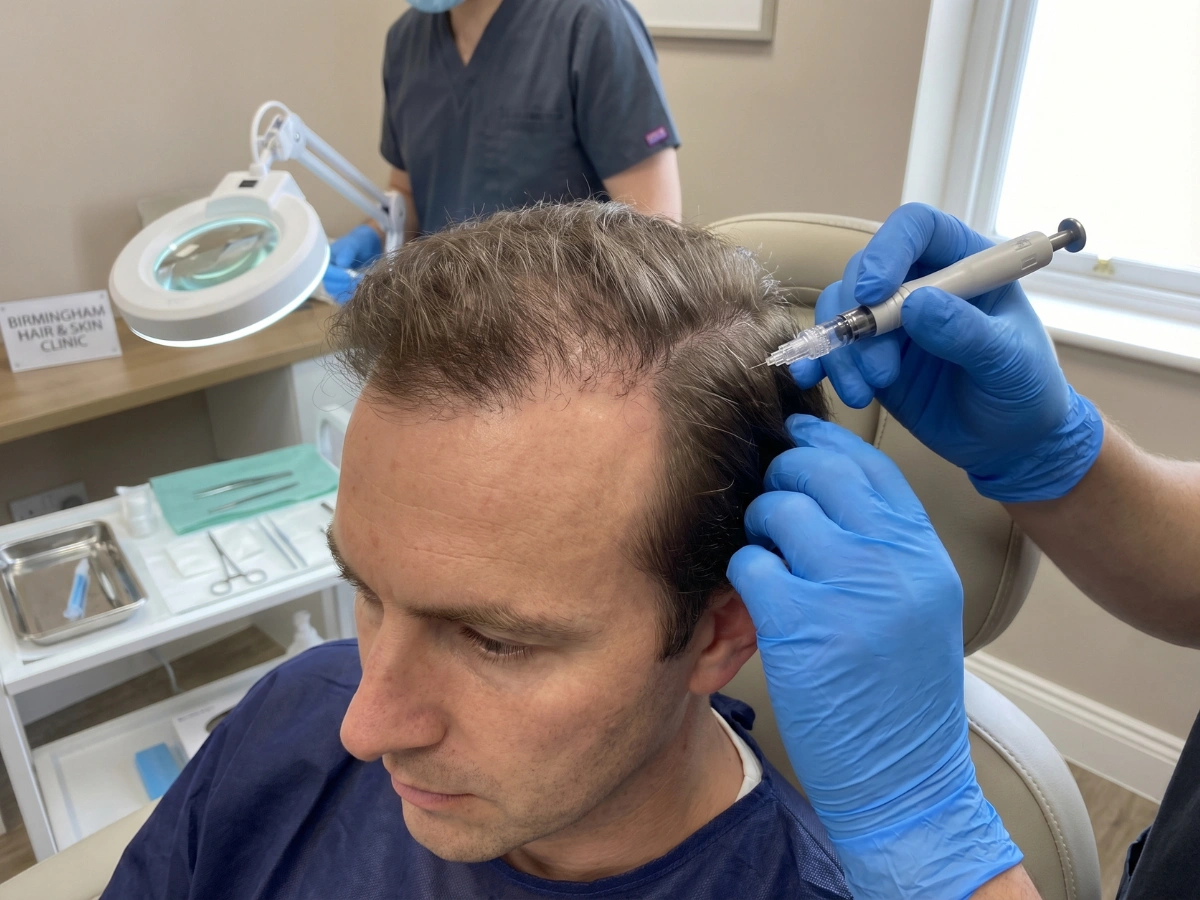
In hair restoration, purified exosomes are applied to or injected into the scalp. Once delivered, they communicate directly with hair follicle cells, encouraging:
- Increased follicle activity
- Improved blood supply
- Reduced inflammation
- Prolonged growth phase
Unlike PRP, exosomes do not rely on the patient’s own blood quality. The signalling molecules are standardised and concentrated, which is one reason results tend to be more predictable.
This is why Exosome Therapy Birmingham providers describe it as a next-generation regenerative approach rather than a variation of PRP.
PRP vs Exosomes 2026: What’s the Difference?
Here is a clear comparison patients often ask for:
1. Source of Treatment
PRP: Derived from the patient’s own blood.
Exosomes: Lab-prepared, purified signalling vesicles from stem cell cultures.
2. Concentration of Growth Factors
PRP concentration depends on the individual’s platelet health. Exosomes deliver a controlled, consistent biologic payload.
3. Mechanism of Action
PRP stimulates follicles indirectly through platelet-derived growth factors.
Exosomes directly influence cellular communication, modulating inflammation and activating regenerative pathways.
4. Recovery Time
Both treatments are minimally invasive. However, patients receiving exosomes often report:
- Less scalp inflammation
- Reduced redness duration
- Faster return to normal routine
5. Results Timeline
PRP may require 3 to 6 sessions for visible improvement. Exosome therapy protocols are often spaced further apart, with some patients noticing early thickening within 8 to 12 weeks.
When discussing PRP vs Exosomes 2026, many Birmingham clinicians now view exosomes as an upgrade rather than a replacement.
Why Birmingham Clinics Are Offering Exosome-Based Treatments
Birmingham has become a strong regional hub for aesthetic and regenerative medicine. Competition between clinics is high, and patients are increasingly well-informed.
Several factors explain the local rise of Exosome Therapy Birmingham practices:
- Demand for advanced, non-surgical options
- Growing awareness of biologic treatments in global markets
- Patient preference for fewer sessions with stronger outcomes
- Integration with broader Regenerative Aesthetic Therapies
Clinics that once focused heavily on PRP are now expanding their portfolios under banners such as Advanced Hair Regrowth Treatments, positioning exosomes as part of a comprehensive strategy.
For patients researching non-surgical hair restoration Birmingham, exosomes are now commonly listed alongside PRP and microneedling, rather than being treated as experimental.
The Science Behind Biologic Regrowth
Hair follicles cycle through three phases: anagen (growth), catagen (transition), and telogen (resting).
Hair thinning often occurs when follicles become stuck in prolonged resting phases or miniaturise due to inflammation and hormonal sensitivity.
Exosomes work on several levels:
- They reduce inflammatory cytokines around the follicle
- They stimulate dermal papilla cells
- They encourage angiogenesis, improving scalp blood flow
- They support extracellular matrix repair
Scientific interest in exosome signalling has expanded rapidly in dermatology and orthopaedics. While long-term data is still developing, early clinical outcomes suggest stronger follicular activation compared to traditional platelet-based approaches.
This is one reason Exosome Therapy Birmingham providers emphasise biologic communication over simple growth factor injection.
Who Is an Ideal Candidate?
Exosome therapy is not a one-size-fits-all solution. Ideal candidates typically include:
- Men and women with early to moderate thinning
- Patients with androgenetic alopecia
- Individuals experiencing post-stress or post-illness shedding
- Those seeking Non-Surgical Hair Restoration Solutions before considering transplant
It may also benefit patients who previously tried PRP Hair Loss Treatment but experienced limited results.
However, individuals with complete follicular loss or advanced scarring alopecia may require surgical options instead.
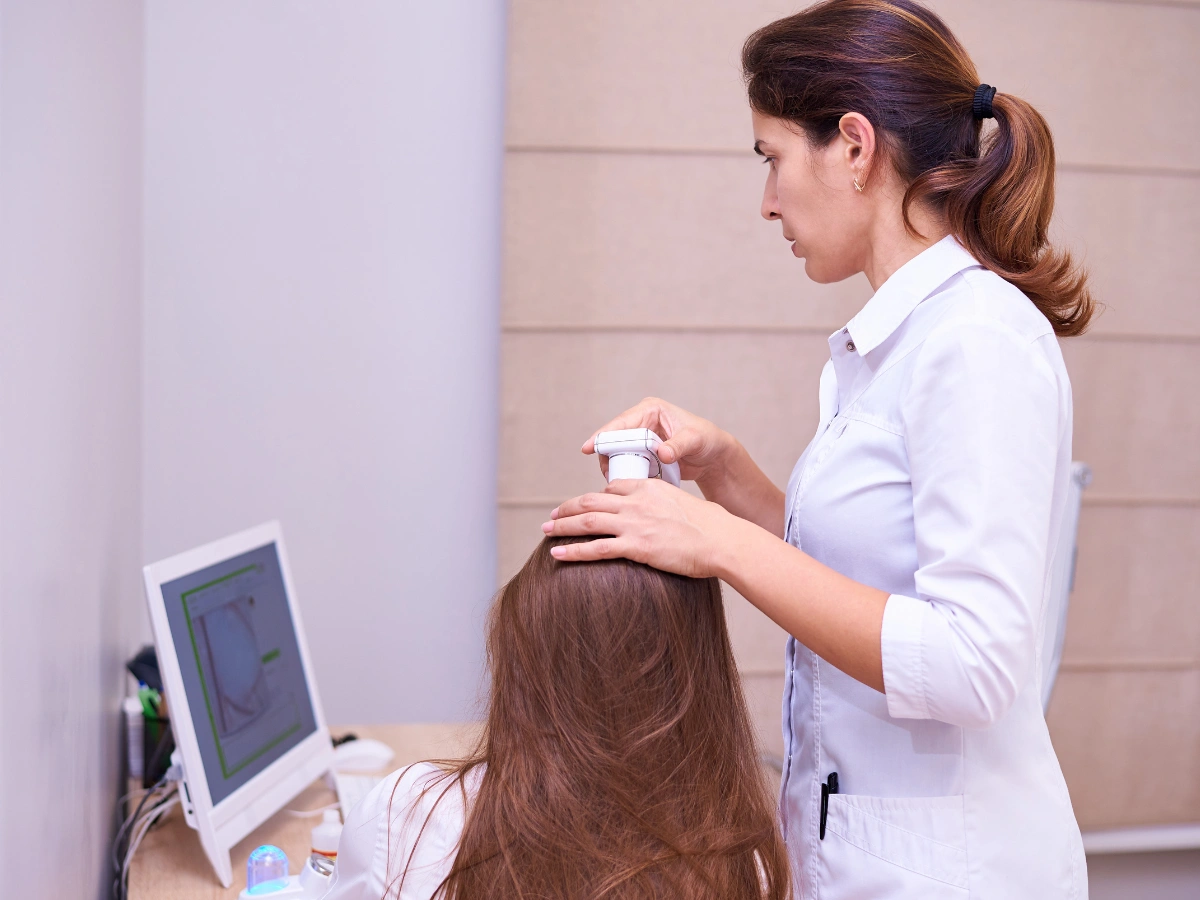
A proper Hair Restoration Consultation Birmingham clinics provide is essential before treatment. Assessment should include scalp analysis, medical history, and realistic expectation setting.
Safety and Clinical Credibility
A common question is whether exosomes are safe.
When sourced from reputable laboratories and used in regulated clinical environments, exosome preparations are screened and purified. However, standards vary globally.
Patients should always confirm:
- The origin and processing standards of the exosomes
- Practitioner training
- Clinic compliance with UK medical regulations
- Transparent treatment protocols
Responsible clinics will not present exosomes as a miracle cure. Instead, they position them within structured Regenerative Aesthetic Therapies backed by evidence and clinical reasoning.
What to Expect During Treatment
The patient experience is straightforward.
- Scalp cleansing and preparation
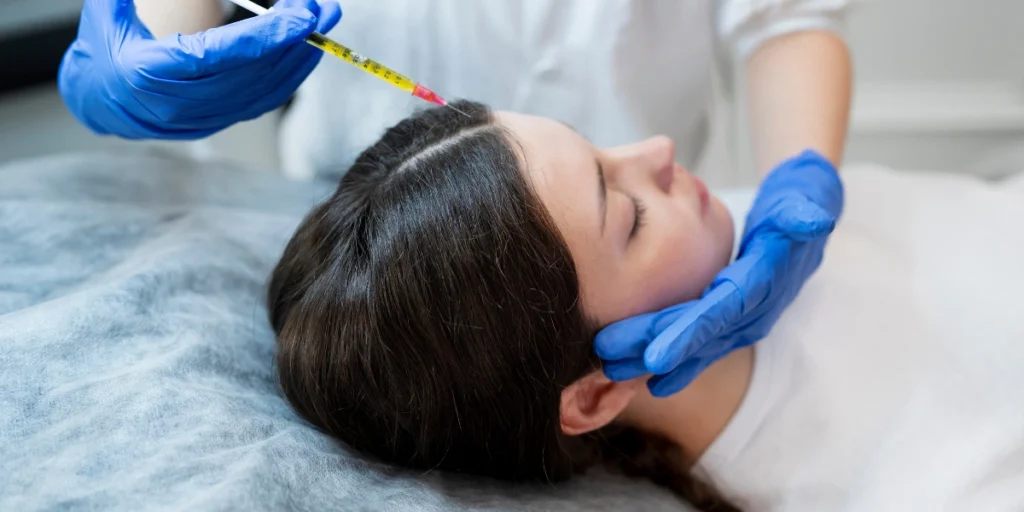
- Microneedling or targeted injection delivery
- Application of exosome solution
- Post-treatment care guidance
Sessions typically last under 60 minutes. Mild redness can occur but usually settles quickly.
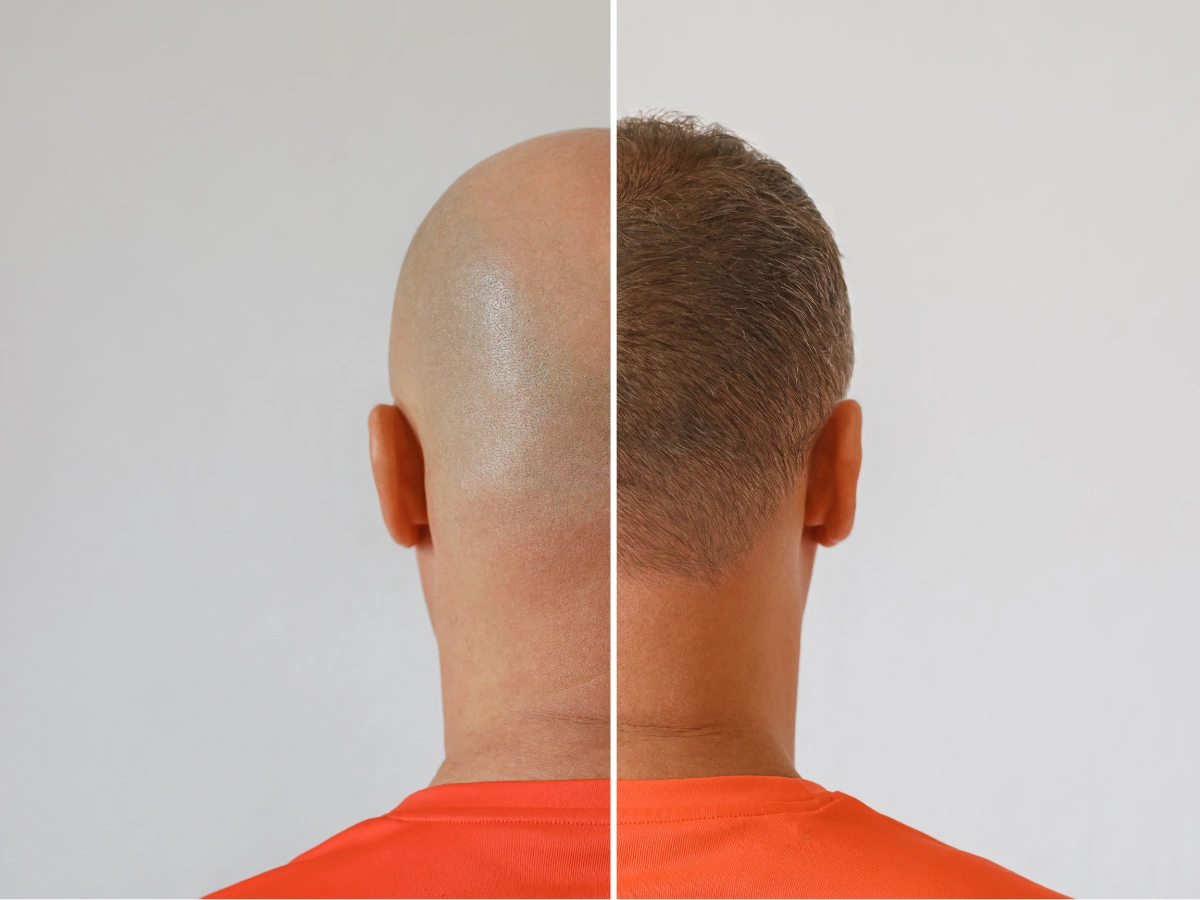
Most patients resume normal activities the same day. Visible thickening develops gradually over three to six months as follicles shift into stronger growth cycles.
The Future of Regenerative Hair Loss UK in 2026 and Beyond
The broader field of regenerative hair loss UK medicine is moving toward biologics, combination therapies, and personalised protocols.
By 2026, we are likely to see:
- Hybrid treatments combining exosomes with microneedling
- AI-assisted scalp diagnostics
- Improved standardisation of biologic preparations
- Expanded clinical research into follicular regeneration
The debate around PRP vs Exosomes 2026 will likely shift from comparison to integration. PRP may remain useful for some patients, but exosomes are quickly becoming the preferred option for those seeking enhanced regenerative signalling.
As innovation continues, Exosome Therapy Birmingham clinics will probably play a central role in bringing advanced protocols to patients across the Midlands.
Frequently Asked Questions
What is Exosome Therapy Birmingham used for?
It is primarily used to stimulate hair follicle regeneration in patients experiencing thinning or early-stage hair loss. It works by delivering biologic signalling molecules to activate dormant follicles.
Is exosome therapy better than PRP?
Exosomes provide a more concentrated and standardised biologic signal compared to PRP. Many clinics report stronger and more consistent results, although suitability depends on individual cases.
How long does it take to see results?
Most patients begin noticing visible thickening between 8 and 12 weeks, with continued improvement over six months.
Is exosome hair treatment safe in the UK?
When performed by trained practitioners using regulated products, it is considered safe. Always verify clinic standards before proceeding.
Can exosomes replace hair transplants?
They are best suited for early to moderate thinning. Advanced baldness with no active follicles may still require surgical intervention.
Hair restoration is no longer limited to traditional injections. As biologic science advances, treatments are becoming more precise and more intelligent.
For many patients exploring non-surgical hair restoration Birmingham, exosomes represent the next step forward rather than just another option on the menu.