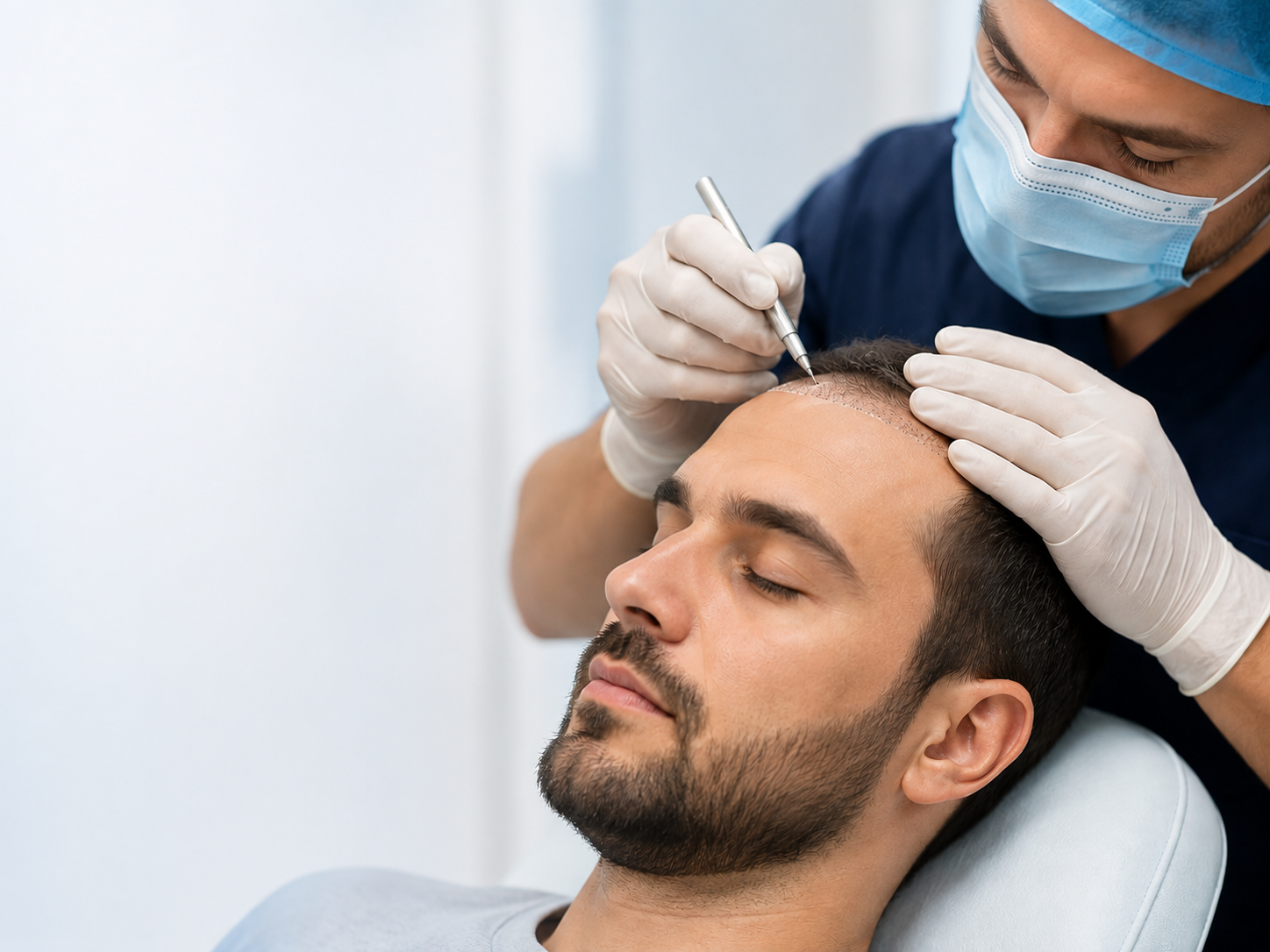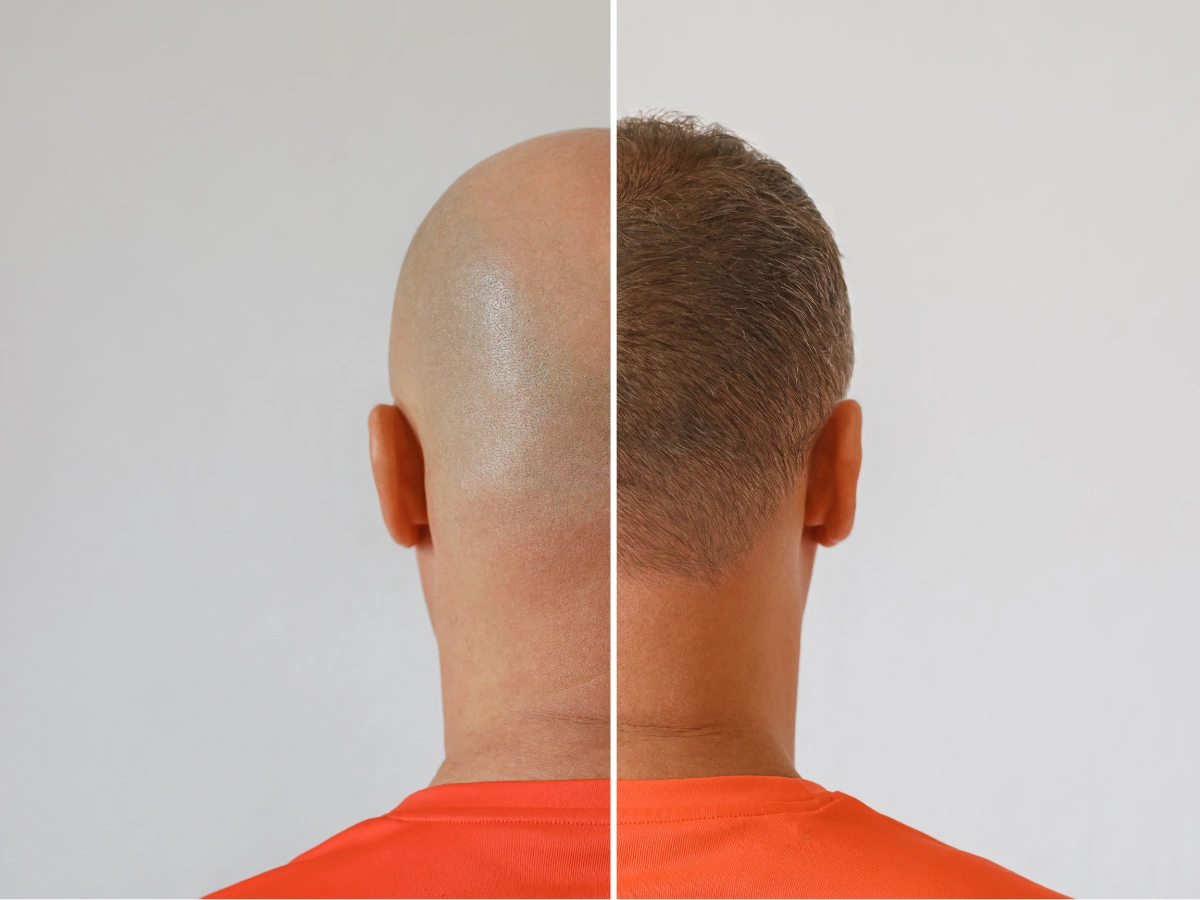


For decades, the narrative surrounding hair restoration was simple: get a transplant, and your hair loss worries are over forever. In the “old world” of hair restoration, the surgery was viewed as a one-time fix a finish line.
However, as we move through 2026, the industry has undergone a radical shift in perspective.
The truth is that while surgical techniques have reached pin-point precision, the biology of hair loss remains a moving target. If you are looking for hair transplant longevity UK clinics are now emphasizing that surgery is just one piece of a much larger, sophisticated puzzle.
The Myth of the “One-and-Done” Surgery
The most common misconception patients bring to a hair transplant consultation Wolverhampton or Birmingham is that transplanted hair creates an impenetrable barrier against future balding.
While it is true that follicles harvested from the “permanent zone” at the back of the head are genetically resistant to DHT (the hormone responsible for male pattern baldness), the native hair surrounding those grafts is not. Without a proactive strategy, you may find yourself with a “floating” hairline where the transplanted hair remains, but the natural hair behind it continues to recede.
Why Surgery Alone Fails the Test of Time
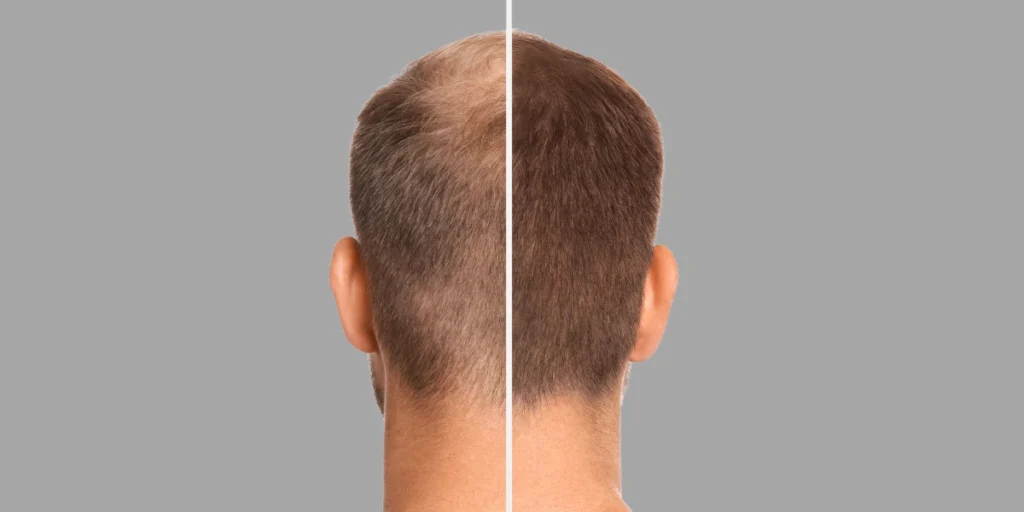
- Progressive Nature of Alopecia: Male and female pattern hair loss is a lifelong condition.
- Graft Survival Rates: Physical trauma during surgery can impact how many follicles actually “take.”
- Scalp Environment: An unhealthy, inflamed scalp is poor “soil” for new “seeds.”
The 2026 Standard: The Combined Hair Transplant Protocol
In 2026, the best hair restoration clinic West Midlands providers have moved away from “just surgery” in favor of a combined hair transplant protocol. This holistic approach treats the scalp as a living ecosystem rather than a construction site.
This protocol integrates three essential pillars:
- Precision Surgery: Using refined FUE techniques.
- Regenerative Bio-Therapy: Enhancing the body’s healing signals.
- Medical Stabilization: Protecting the hair you haven’t lost yet.
Boost Results with FUE and Regenerative Therapy
Modern excellence is defined by the FUE hair transplant with regenerative therapy. This isn’t just about moving hair; it’s about ensuring that hair thrives the moment it touches its new home.
The Role of PRP in Graft Survival
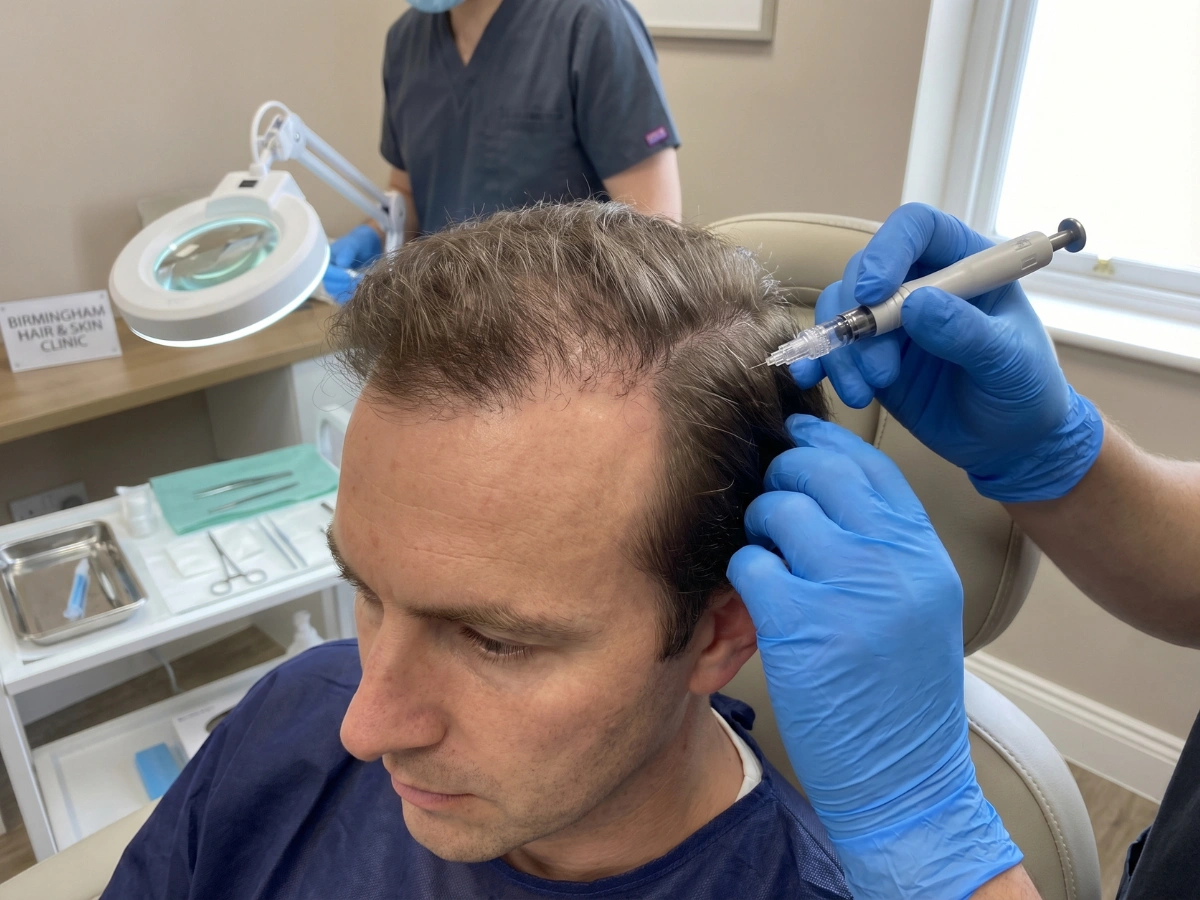
One of the most significant breakthroughs in hair transplant longevity UK-wide has been the optimization of PRP hair treatment graft survival.
Platelet-Rich Plasma (PRP) uses the patient’s own concentrated growth factors to bathe the newly implanted follicles.
By injecting PRP during or immediately after the procedure, clinics are seeing:
- Reduced “Shock Loss”: Minimising the temporary shedding of native hair.
- Faster Revascularisation: Helping the graft establish a blood supply within hours, not days.
- Thicker Calibre: Improving the overall diameter of the emerging hair shafts.
To learn more about how these biologics work, you can explore PRP Hair Treatment UK options.
Stabilizing Native Hair Loss: The Key to “Permanent” Results
If you are seeking permanent hair restoration Birmingham patients often forget that “permanent” refers to the relocated follicles, not the entire head of hair.
Stabilizing native hair loss is the only way to prevent the need for a second or third surgery five years down the line.
A reputable hair loss surgeon Birmingham will typically prescribe a dual-action plan:
- DHT Blockers: To stop the miniaturization of existing hair.
- Nutraceuticals: To provide the amino acids and minerals essential for keratin production.
Scalp Health: The Foundation of Success
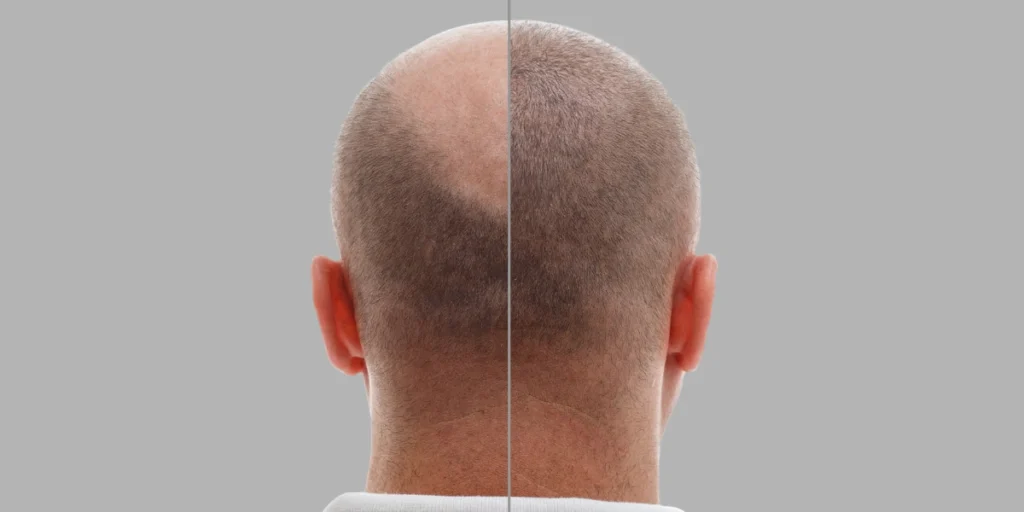
We often say that the scalp is the “soil” and the follicles are the “crops.” You cannot expect a harvest in a desert.
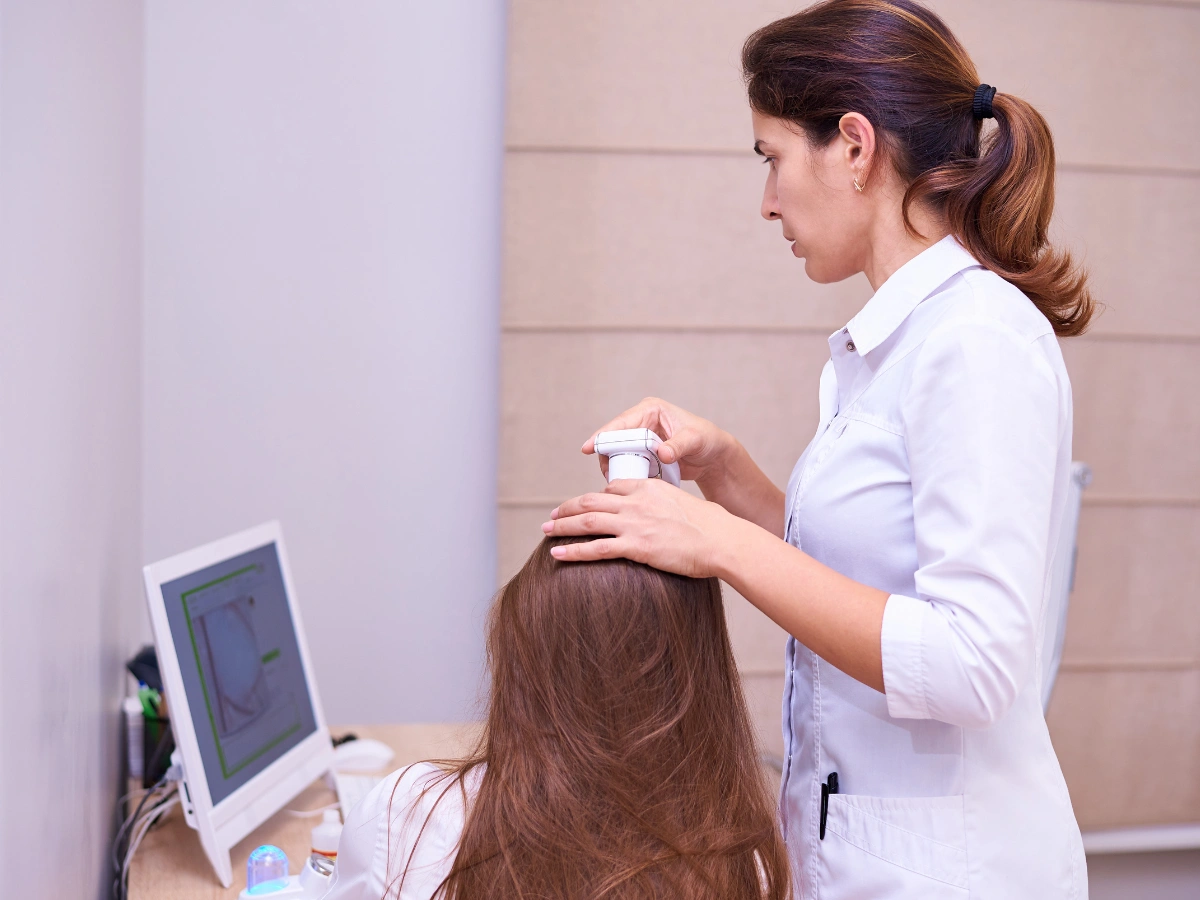
Scalp health for transplant patients is now a primary focus of pre-operative care.
Issues like seborrheic dermatitis, follicular inflammation, or poor circulation can decrease graft survival by up to 30%. Before committing to a procedure, ensuring your scalp is hydrated, flake-free, and well-oxygenated is vital for safe hair surgery in the UK.
Aftercare: The First 12 Months
Surgical hair restoration aftercare has evolved far beyond “don’t wear a hat.” In 2026, it includes:
- Low-Level Laser Therapy (LLLT): To stimulate cellular mitochondria.
- Specialized pH-balanced Cleansers: To maintain the scalp’s protective barrier.
- Growth Factor Serums: To extend the anagen (growth) phase of the hair cycle.
Detailed FUE Hair Transplant UK guides now include month-by-month recovery checklists to ensure patients stay on track.
Choosing the Right Path in the West Midlands
With the rise of “hair transplant tourism,” it has never been more important to find a qualified hair loss surgeon Birmingham who prioritizes long-term ethics over short-term graft counts.
When booking a hair transplant consultation Wolverhampton or nearby, ask these three critical questions:
- “How will you help me protect my non-transplanted hair?”
- “What regenerative therapies do you include in your combined hair transplant protocol?”
- “What does my 12-month follow-up and scalp health monitoring look like?”
Summary: A New Era of Hair Restoration
The “2026 Hair Transplant Myth” is the belief that a robot or a scalpel can solve a biological problem in a single afternoon. True hair transplant longevity UK results are born from a partnership between surgical excellence and long-term medical management.
By focusing on PRP hair treatment graft survival, stabilizing native hair loss, and maintaining rigorous surgical hair restoration aftercare, you aren’t just getting a surgery—you are investing in a lifetime of confidence.
| Feature | Old Approach (Pre-2024) | Modern Protocol (2026) |
| Focus | Graft Count | Biological Synergy |
| Maintenance | Optional | Mandatory for Longevity |
| Regeneration | Surgery Only | FUE + PRP + Growth Factors |
| Goal | Immediate Coverage | Lifetime Density |