
Laser Hair Regrowth Therapy in Birmingham: What LLLT Actually Does
A laser cap that regrows hair sounds like the kind of thing you’d see advertised at 2am and scroll straight past. Which is fair, because a lot of hair loss marketing deserves that reaction. Laser hair regrowth therapy, known clinically as low level laser therapy or LLLT, is a bit different: it’s one of only three treatments for hair loss with FDA clearance, alongside minoxidil and finasteride. That doesn’t mean it works miracles. It means there’s actual data behind it, and it’s worth understanding what that data says before you book a course of sessions.
What laser hair regrowth therapy actually is
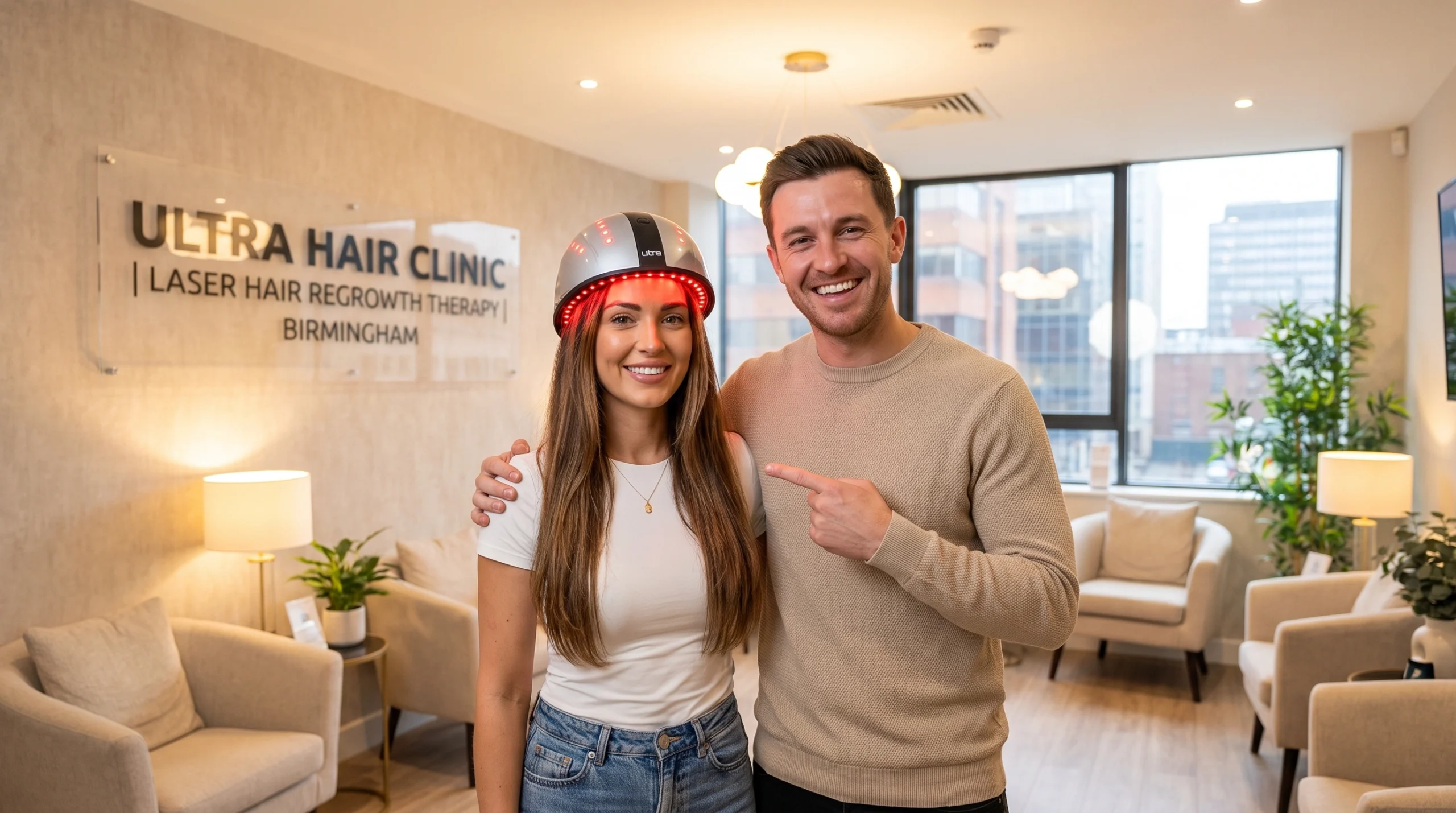
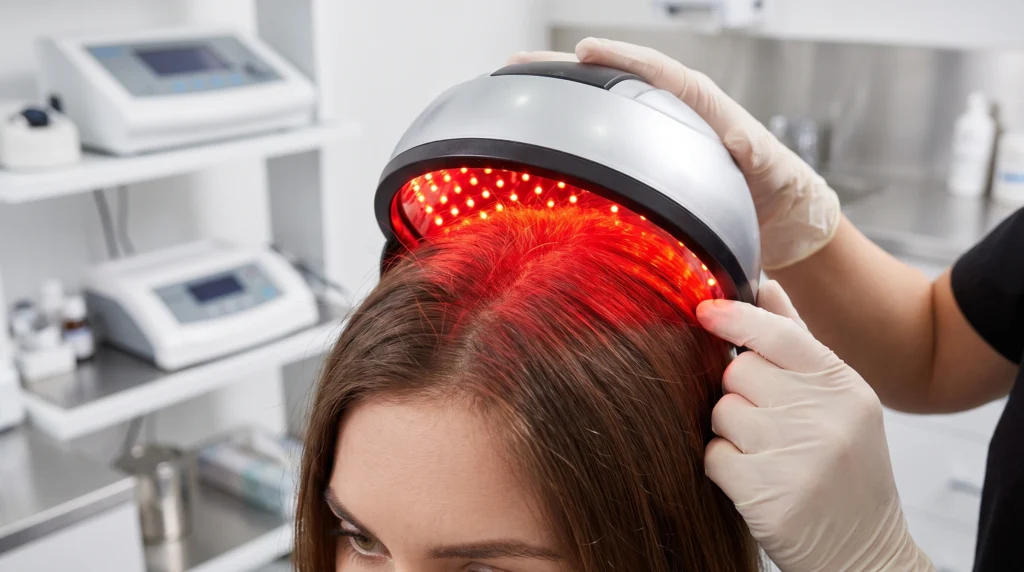
LLLT uses low level red light, usually in the 620 to 678 nanometre range with 650nm being the most common, delivered through a cap, comb, panel, or handheld device. Nothing is cut, injected, or heated to the point you’d feel it.
The mechanism comes down to cellular energy. Hair follicle cells contain an enzyme called cytochrome c oxidase, which absorbs light at this wavelength and uses it to produce more ATP, the molecule cells run on. More available energy means the follicle can push through its growth phase more effectively rather than staying stuck in the resting or shedding phase. It’s the same underlying science as photobiomodulation used in wound healing and inflammation treatment, just aimed at the scalp.
Does the evidence actually hold up
This is where it’s worth being precise about the FDA status, because it’s often misstated, including on plenty of clinic websites. LLLT devices are FDA cleared, not FDA approved. Clearance means the FDA has reviewed the device and agreed it’s safe and works similarly to an existing cleared device. Approval is a higher bar reserved for drugs and requires proof of efficacy in large trials. It’s a real distinction, and a clinic that gets it wrong on a treatment page is worth being cautious of.
With that said, the clinical data is genuinely decent for a non-drug treatment. A meta-analysis of seven randomized controlled trials found a standardized mean difference of 1.27 favoring LLLT over sham treatment, which is a meaningfully large effect in research terms. Individual trials reported an increase of roughly 19.8 hairs per square centimetre in men and a 37% increase in hair count in women. Comb-style devices tended to outperform helmet-style ones in the pooled data, though both showed a benefit.
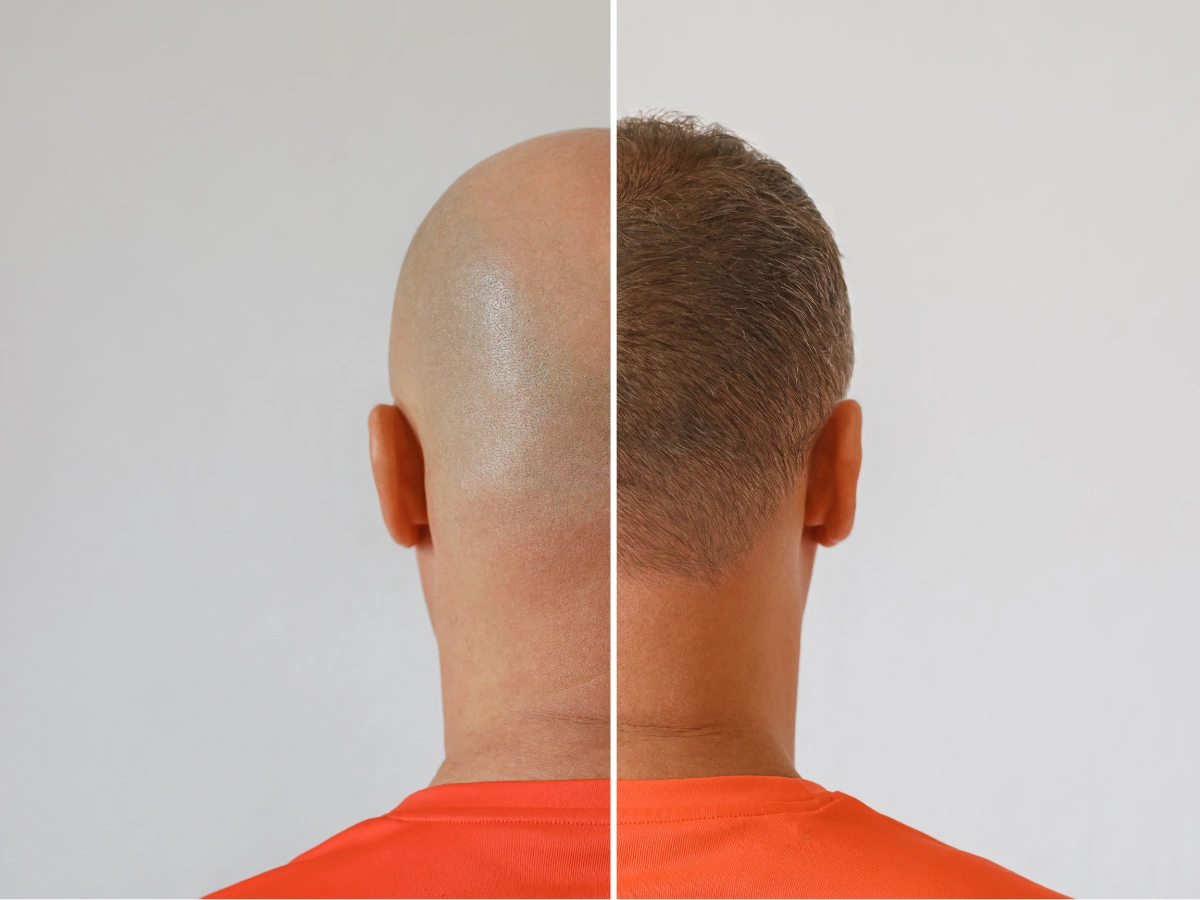
None of that makes LLLT a replacement for a hair transplant if you’ve already lost the follicles in an area. It’s a treatment for slowing loss and thickening what’s still there, not for regrowing hair where none exists anymore.
Who it works for, and who it doesn’t
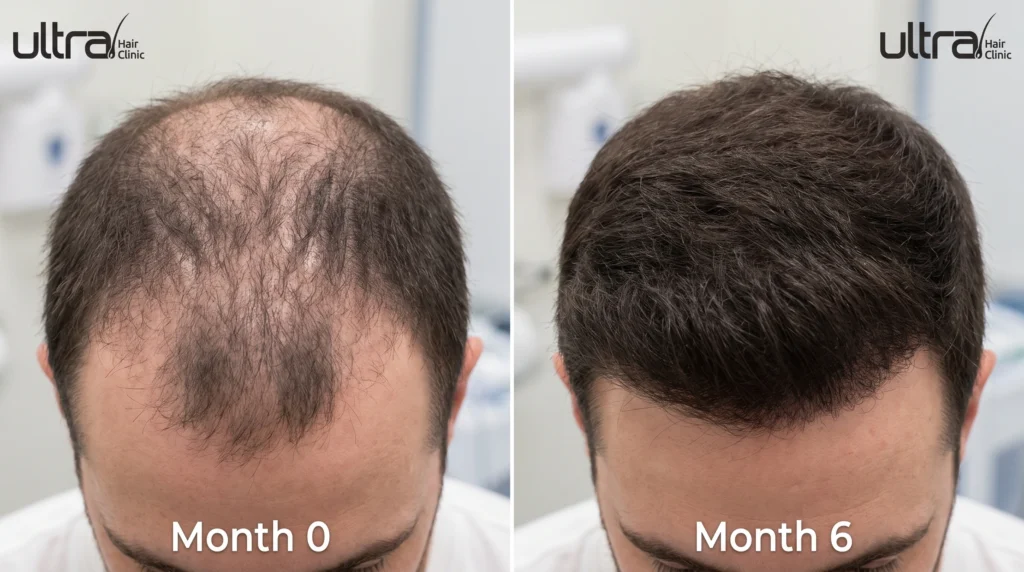
LLLT works best on follicles that are still alive but miniaturized, meaning early to moderate pattern hair loss where hairs are visibly thinning rather than gone. Clinicians reviewing decades of case data report stabilization in around 90% of appropriate candidates and measurable regrowth of miniaturized hairs in around 60%. If you stop treatment, roughly 10% resume shedding within a year, compared to something closer to 100% of people who stop minoxidil or finasteride.
It’s a particularly relevant option for women, since finasteride generally isn’t prescribed to premenopausal women and many prefer a non-drug approach to minoxidil. It’s also useful after a hair transplant, where twice weekly sessions in the first two weeks are sometimes used to support the graft area, though that protocol should be set by your clinical team rather than done at home.
Where it doesn’t help: areas with no follicles left, scarring alopecia, and hair loss that’s already progressed to complete baldness in a given zone. If there’s nothing there to stimulate, light alone won’t bring it back.
What a session at Ultra Hair Clinic involves
A session runs around 30 minutes, and you can go straight back to your day afterward. There’s no numbing, no needles, and nothing to recover from. Most people describe it as mildly warm and, honestly, a bit relaxing. It’s suitable across hair types, whether your hair is fine, coarse, or already thinning unevenly.
How many sessions before you’d see anything
This is the question worth asking any clinic upfront, because protocols vary a lot. Research has tested everything from 30 minute sessions every other day to 6 minute daily sessions, with the shorter daily protocol showing equal or better results, largely because people actually stick with it. Realistically, expect a course of regular sessions over at least three to six months before judging results. Hair growth cycles are slow, and LLLT works with that cycle rather than around it, so there’s no version of this treatment that shows results in two weeks.
How LLLT compares to other options
| Treatment | Invasiveness | Downtime | Best suited for | Evidence strength |
|---|---|---|---|---|
| LLLT | Non-invasive | None | Early to moderate thinning, maintenance | Strong (multiple RCTs, FDA cleared) |
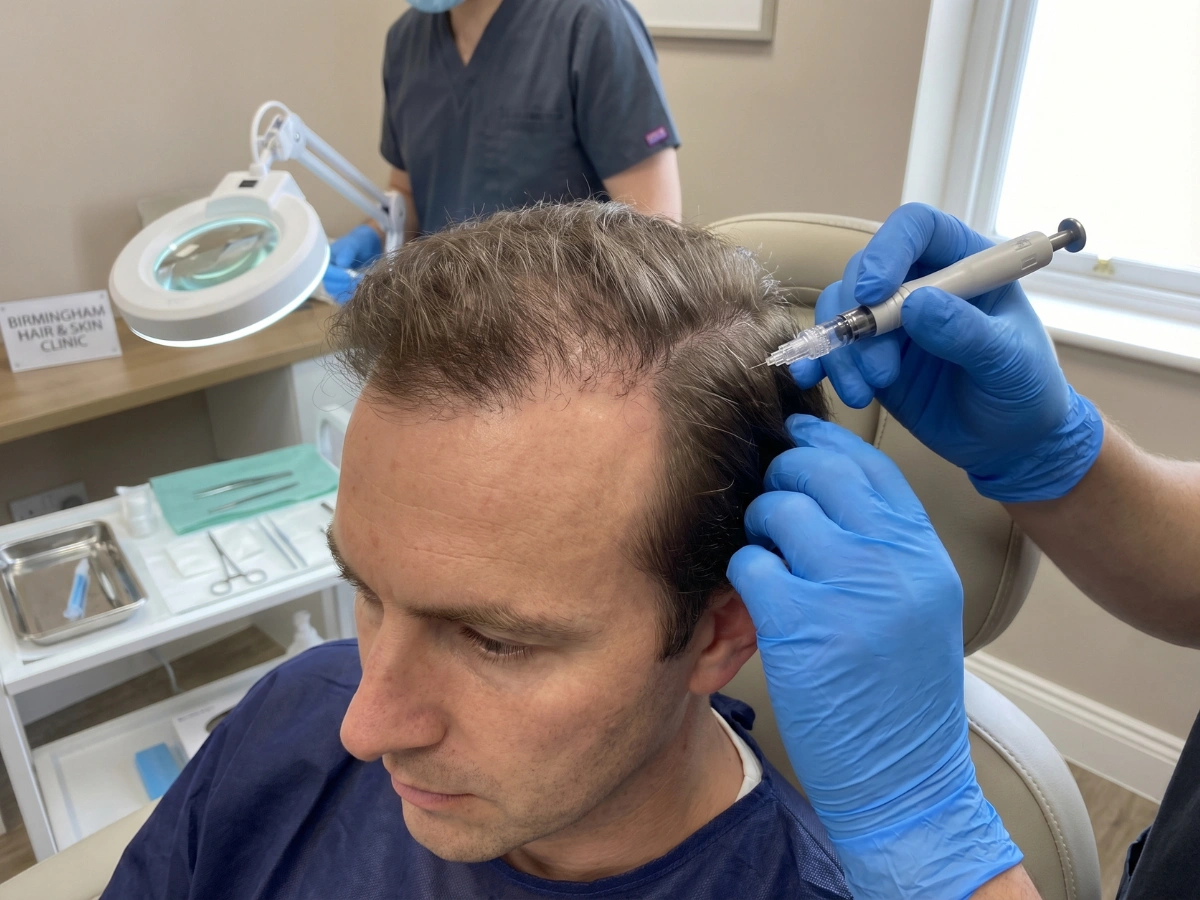
| PRP | Minimally invasive (injections) | Minimal | Thinning with some active follicles | Moderate, growing |
| Exosome therapy | Minimally invasive | Minimal | Combined with other regenerative treatments | Emerging |
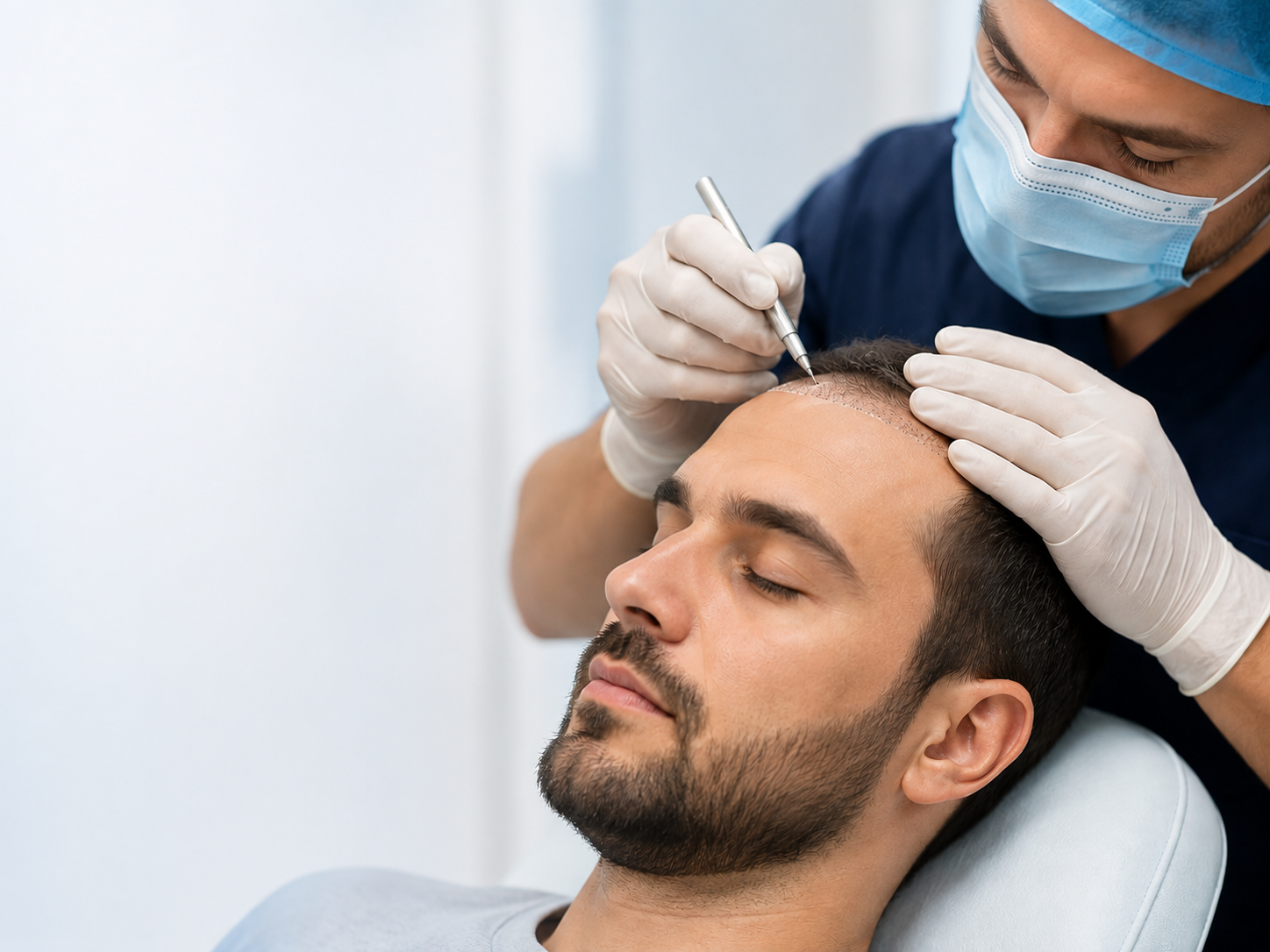
| FUE hair transplant | Surgical | 1-2 weeks | Established bald or thinning areas | Strong, permanent relocation of follicles |
LLLT tends to work best as either an early intervention before things progress, or as ongoing maintenance alongside a more intensive treatment. It’s rarely the only thing someone needs if hair loss is already advanced, but it’s a reasonable place to start if you’ve noticed early thinning and aren’t ready for anything more involved.
Combining laser therapy with other treatments
Clinicians who work with LLLT regularly describe its effect as multiplicative when paired with something like minoxidil or PRP rather than used alone. The logic tracks: LLLT improves cellular energy in the follicle, while treatments like PRP or exosome therapy deliver growth factors directly. Used together, you’re addressing the problem from two different angles instead of one. At Ultra Hair Clinic, laser therapy is often built into a broader plan alongside PRP, mesotherapy, or exosome treatments depending on what your scalp assessment shows.
Frequently asked questions
Is laser hair regrowth therapy FDA approved No. LLLT devices are FDA cleared, which means the FDA has reviewed them as safe and substantially similar to existing cleared devices. It’s one of only three hair loss treatments with any FDA clearance, alongside minoxidil and finasteride, but “cleared” and “approved” are different regulatory terms.
How long does it take to see results from LLLT Most people need a consistent course of sessions over three to six months before seeing a meaningful change, since hair growth happens in cycles that can’t be rushed. Sessions are typically needed several times a week to maintain the benefit.
Does laser hair therapy hurt No. It’s a painless treatment involving red light exposure to the scalp, with no needles, cutting, or heat intense enough to feel. Most people find it comfortable.
Can laser therapy regrow hair that’s completely gone No. It works on follicles that are still alive but miniaturized. If a follicle has died off entirely, LLLT won’t bring it back, which is why it’s more effective for early stage thinning than advanced baldness.
Is LLLT suitable for women Yes, and it’s often a particularly good fit, since many women prefer to avoid finasteride, which isn’t typically prescribed for premenopausal women, or want a non-drug option alongside minoxidil.
Can I combine laser therapy with a hair transplant Yes. LLLT is sometimes used in the weeks following a transplant to support the surgical area, and longer term as maintenance for the hair you already have alongside your transplanted grafts.
Find out if LLLT is right for you
The honest answer to whether laser therapy will work for you depends on how much of your hair loss is still reversible, and that’s not something a blog post can tell you. It takes an actual look at your scalp and donor density. Book a free consultation at our Jewellery Quarter clinic and we’ll tell you straight whether LLLT alone makes sense, or whether it’s better used alongside something else.
Book Your Free Consultation | Get a Free Quote | Call +44 121 244 2326