
Most people think a hair transplant is some scary, major surgery involving doll-like “plugs” from the 90s. But in 2026, it’s actually much simpler and a lot more discreet. Think of it as “relocating” your own healthy hair from where you have plenty, to where you need it most. No mystery, no magic, just science that works.
Whether you are just starting to notice a receding hairline or you’ve been managing thinning for years, understanding the reality of modern restoration is the first step toward regaining your confidence. In this guide, we’ll strip away the jargon and explain exactly what a hair transplant is in today’s world.
Hair Transplant Basics for Beginners: The Concept of Redistribution
At its core, a hair transplant is a permanent surgical solution for hair loss. It works on the principle of donor dominance. This means that hair follicles taken from the back and sides of your head (the “occipital” area) are genetically programmed to resist the hormones specifically Dihydrotestosterone (DHT) that cause male pattern baldness.
When these follicles are moved to the top or front of the head, they keep that resistance. This is why the answer to “Is a hair transplant permanent?“ is a resounding yes. The hair moved will continue to grow for a lifetime, even if the “native” hair around it continues to thin. If you are researching the Best hair transplant UK 2026, you are likely looking for a clinic that understands this long-term architectural planning. It isn’t just about filling a gap today; it’s about how that hair will look when you are 50, 60, and 70.
Hair Transplant vs. Hair Plugs: A World of Difference
One of the biggest misconceptions is that modern transplants look like the “corn row” or “doll hair” plugs of the past.
- The Old Way (Plugs): Surgeons used to move large circular chunks of skin containing 10–20 hairs. This resulted in an unnatural, “clumped” look because hair doesn’t naturally grow in bunches of twenty.
- The Modern Way: Today, we move Follicular Units. These are naturally occurring groups of just 1 to 4 hairs. Because we use such tiny units, a surgeon can mimic the natural direction, angle, and density of your original hair.
How Does a Hair Transplant Work? The Science of FUE and FUT
There are two primary ways to “relocate” your hair. Both are effective, but they suit different lifestyles and hair loss patterns. Understanding these is vital when choosing the FUE Hair Transplant UK or the FUT method.
1. Follicular Unit Extraction (FUE)
This is the gold standard in 2026. In an FUE procedure, individual follicles are extracted one by one using a specialized micro-punch tool, often less than 1mm in diameter.
- Pros: No linear scar, faster recovery, and the ability to wear your hair very short (like a skin fade).
- Cons: Often requires shaving the donor area and can take longer to perform due to the manual labor involved.
2. Follicular Unit Transplantation (FUT)
Also known as “Strip Surgery,” this involves removing a thin strip of skin from the back of the head, which is then dissected into individual grafts under a high-powered microscope.
- Pros: Often allows for a higher number of grafts in one session and doesn’t always require a full head shave.
- Cons: Leaves a thin, linear scar at the back of the head, which is only visible if you cut your hair very short.
What to Expect During a Hair Transplant: The Patient Journey
If you decide to proceed after your Hair Transplant Consultation UK, here is what a typical day looks like. It’s far less “medical” and far more “aesthetic” than most expect.
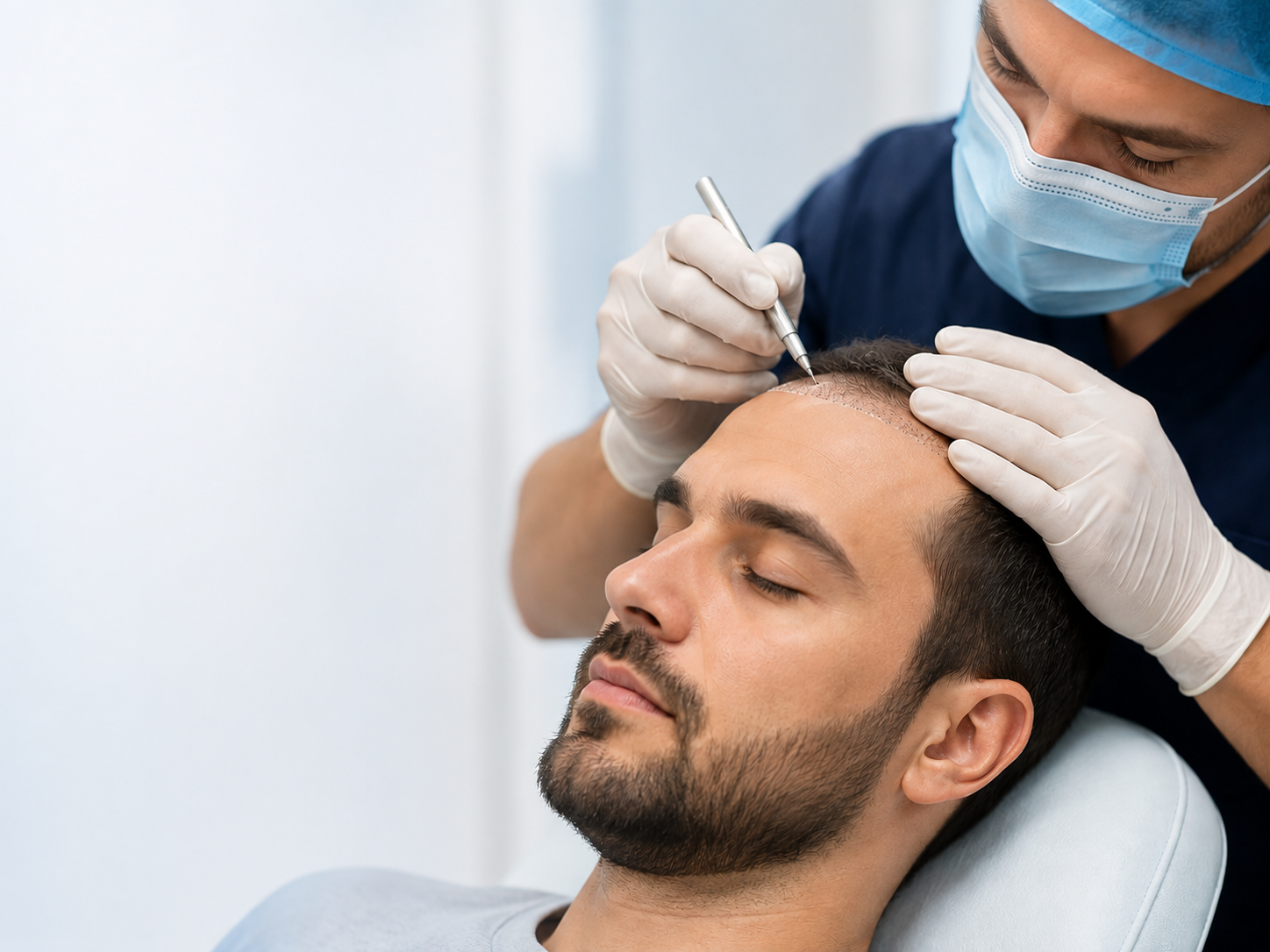
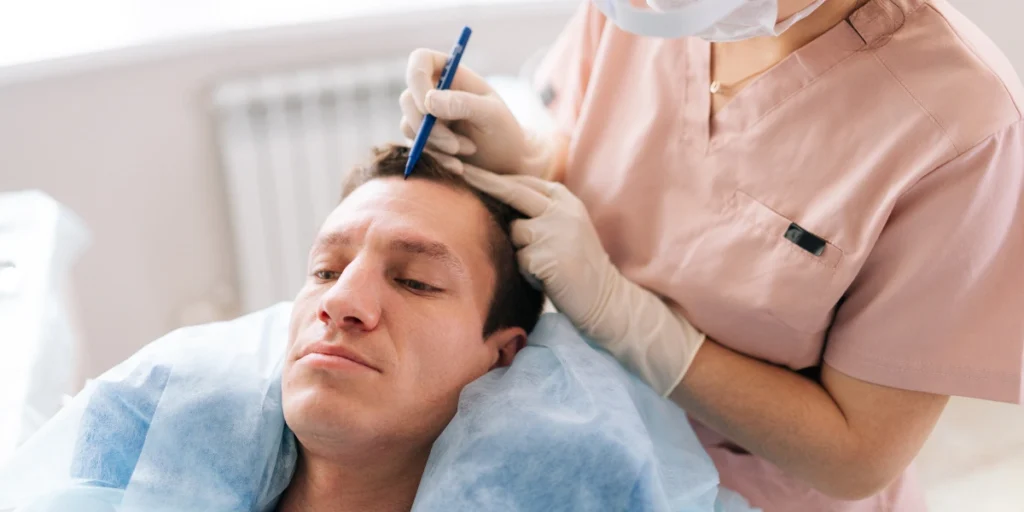
- Design & Mapping: Your surgeon will draw your new hairline. This is a collaborative process where you decide on the “peak” and “temples.”
- Local Anaesthesia: You’ll receive a local anaesthetic to numb the scalp. While you’re awake throughout the procedure, you won’t feel any pain. Most patients spend the time watching Netflix, listening to podcasts, or even napping.
- Extraction Phase: The “donor” hairs are carefully harvested. In 2026, robotic-assisted tools often help surgeons ensure the highest survival rate for each graft.
- Implantation Phase: The surgeon makes tiny incisions in the thinning areas. This is the “artistic” phase where they determine the exit angle of the hair—vital for a natural look.
- Post-Op Briefing: You’ll be given a recovery kit containing sprays, specialized shampoos, and instructions on how to sleep (usually elevated) for the first few nights.
Hair Transplant Recovery Day by Day: A Realistic Timeline
When searching for the Best hair transplant UK 2026, patients often prioritize clinics that offer advanced aftercare. Recovery is a journey of patience, and knowing what’s normal can save you a lot of stress.
- Days 1–3: You may experience slight swelling, particularly around the forehead. You’ll be given a specific saline spray to keep the grafts hydrated.
- Days 4–7: Small scabs form around the grafts. It’s vital not to pick them! At this stage, the grafts are “anchoring” into their new home.
- Week 2: The scabs naturally fall off during washing. You can usually return to the gym and light exercise.
- Weeks 3–4: The “Shock Loss” phase. This is the most emotional part of the process. The newly transplanted hair shafts will fall out. Don’t panic this is normal. The roots are safe beneath the skin, entering a resting phase.
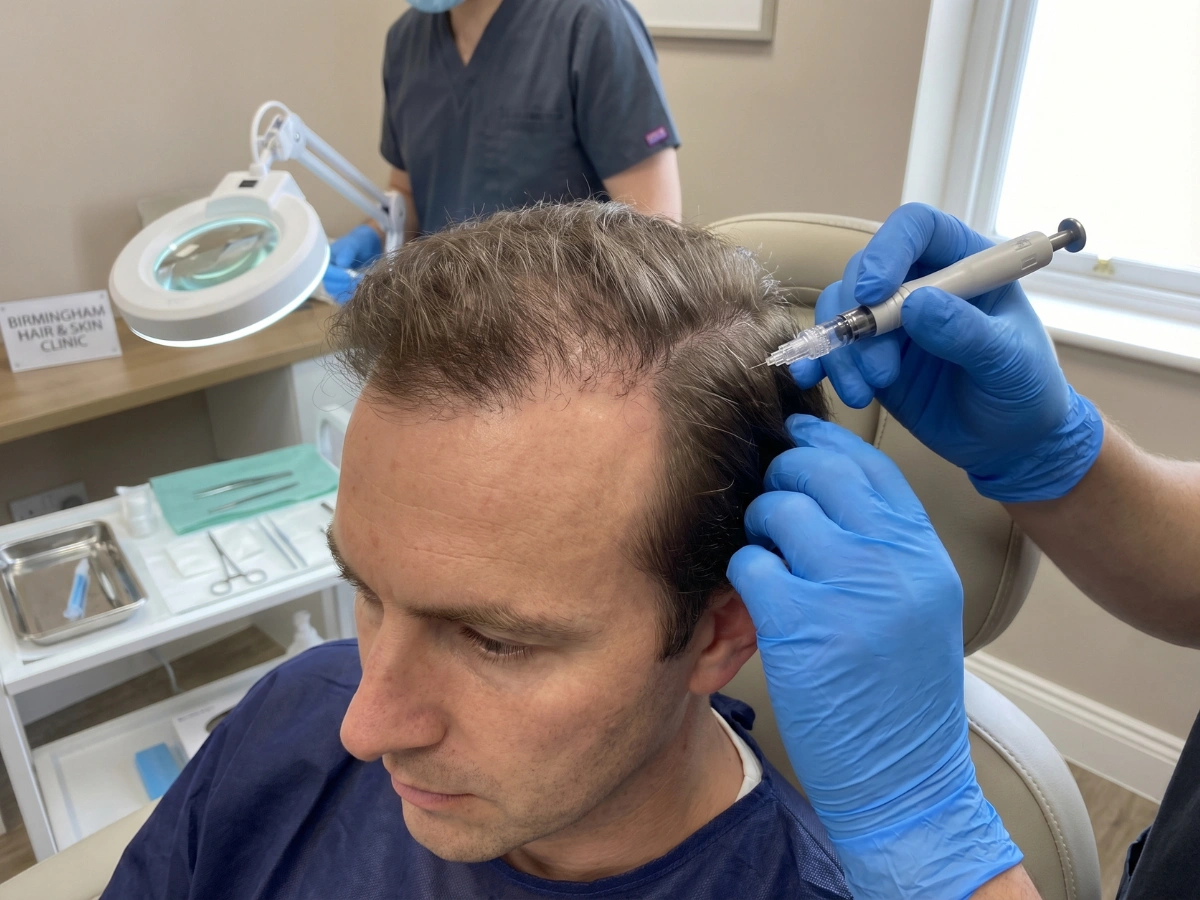
- Months 3–4: Fine, new “baby” hairs begin to sprout. Some patients use PRP Hair Treatment UK at this stage to stimulate blood flow and speed up growth.
When Does a Hair Transplant Look Natural?
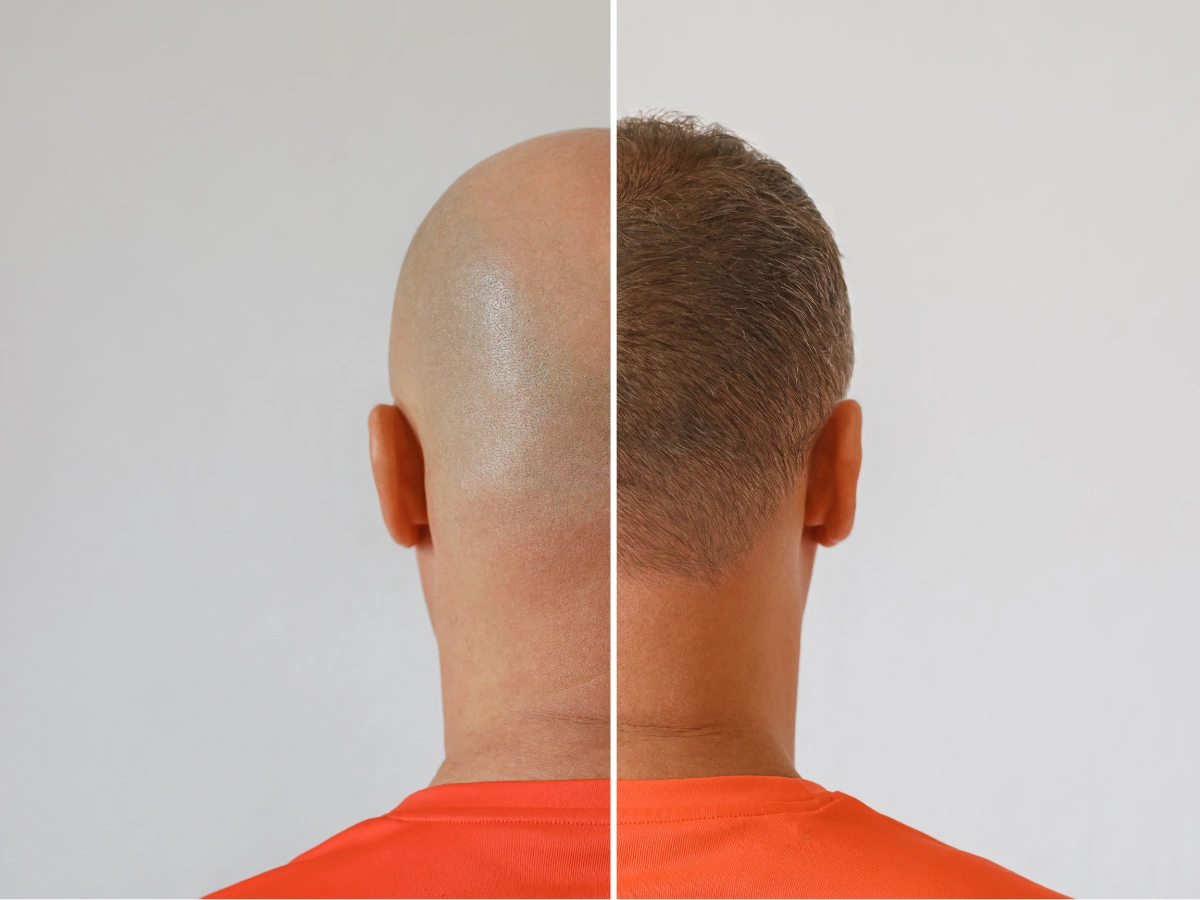
Most patients start to see a real transformation around the 6-month mark. However, it takes a full 12 to 18 months to see the final density. By 2026, surgical precision has reached a point where, once the hair has fully grown in, even your barber shouldn’t be able to tell you’ve had work done.
Common Concerns: Scars and “The Secret”
A frequent question is: “Can you see hair transplant scars?” In an FUE procedure, the “scars” are microscopic white dots scattered across the back of the head. They are virtually invisible unless you shave your head with a razor. Even with a modern “number 1” or “number 2” fade, they remain hidden.
Is a Hair Transplant Worth It at 30?
The 30s are the most common decade for men to seek restoration. At this age, hair loss patterns are usually becoming clear, allowing surgeons to create a sustainable plan.
Is it worth it? If your hair loss affects your self-esteem, social life, or career confidence, the ROI is often life-changing. However, a transplant isn’t always the first step. Many people start with Hair Loss Treatment Options UK like medication or Non-Surgical Hair Replacement UK to see if they can stabilize their loss before committing to surgery.
Finding the Best Hair Transplant UK 2026
Choosing a clinic is the most important decision you will make. To find the Best hair transplant UK 2026, don’t just look at the price or the flashy Instagram ads. Look for:
- Before & After Photos: Look for patients with similar hair types (curl, color, and thickness) to yours.
- Surgeon Involvement: Ensure a qualified surgeon—not just technicians is performing the incisions and extraction.
- CQC Registration: In the UK, clinics must be regulated by the Care Quality Commission. This is a non-negotiable for safety.
Final Verdict: Is it for you?
A hair transplant is no longer the “taboo” it once was. It is a sophisticated, predictable, and highly successful procedure. If you’ve been on the fence, 2026 is a fantastic time to explore your options, as technology has never been more precise and results have never been more natural.
The Best hair transplant UK 2026 isn’t just about moving hair—it’s about restoring the version of yourself you feel most comfortable with.