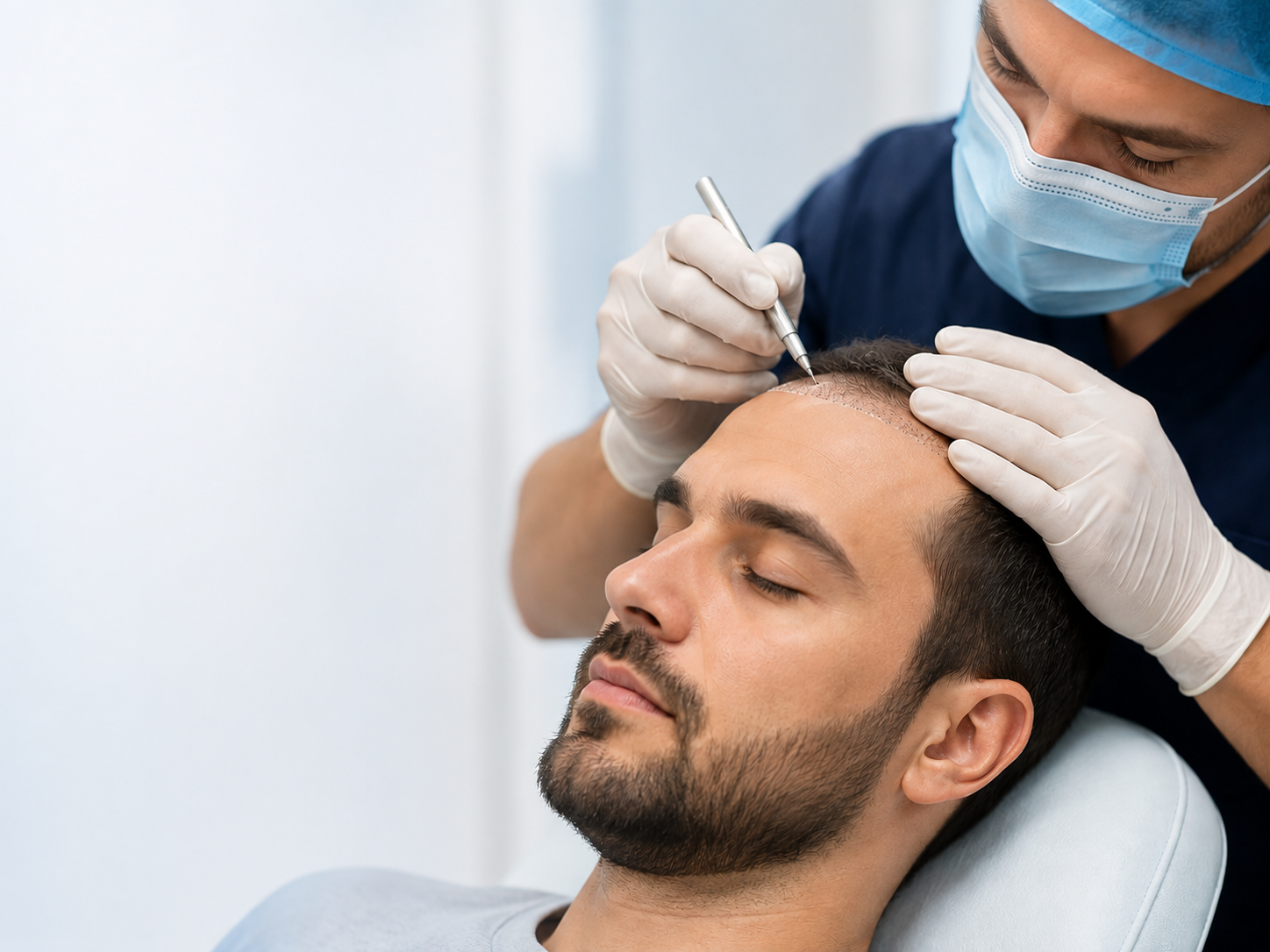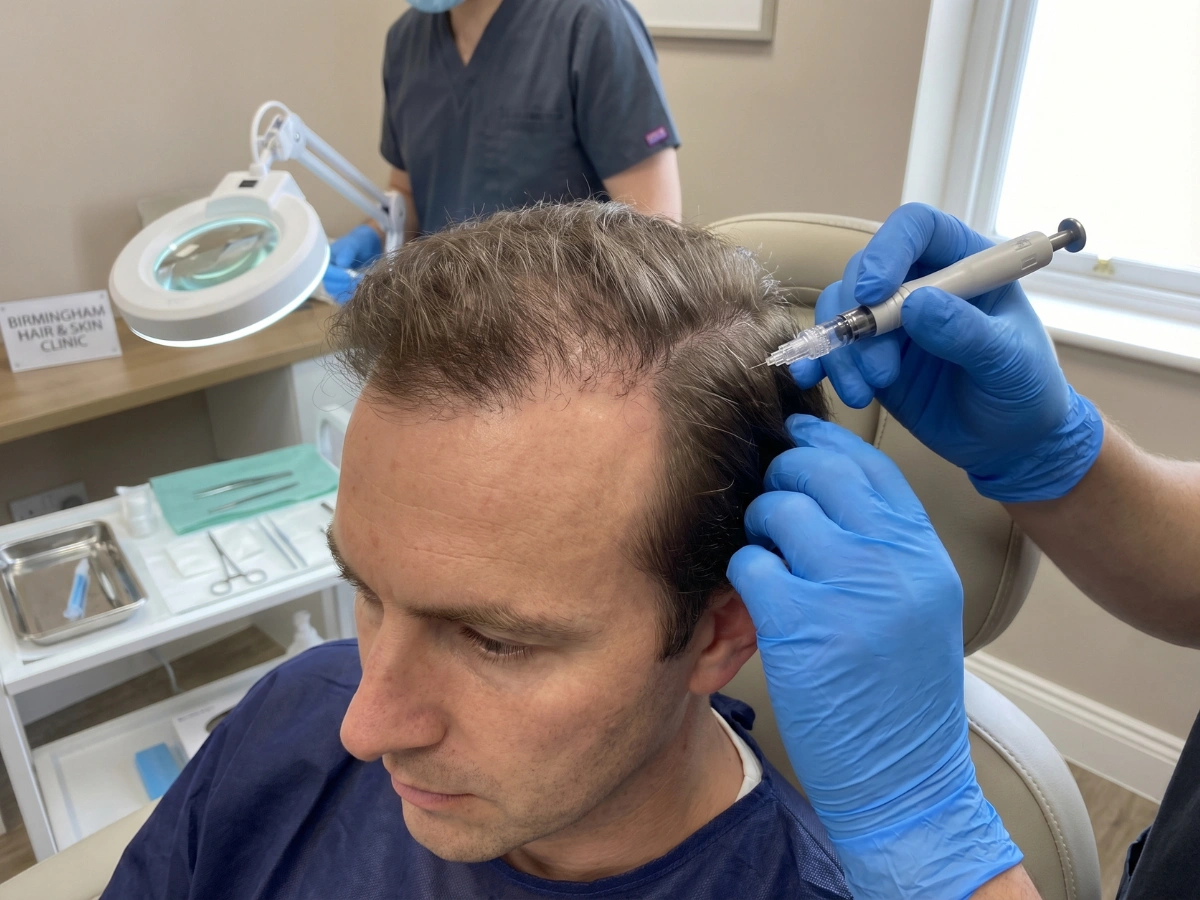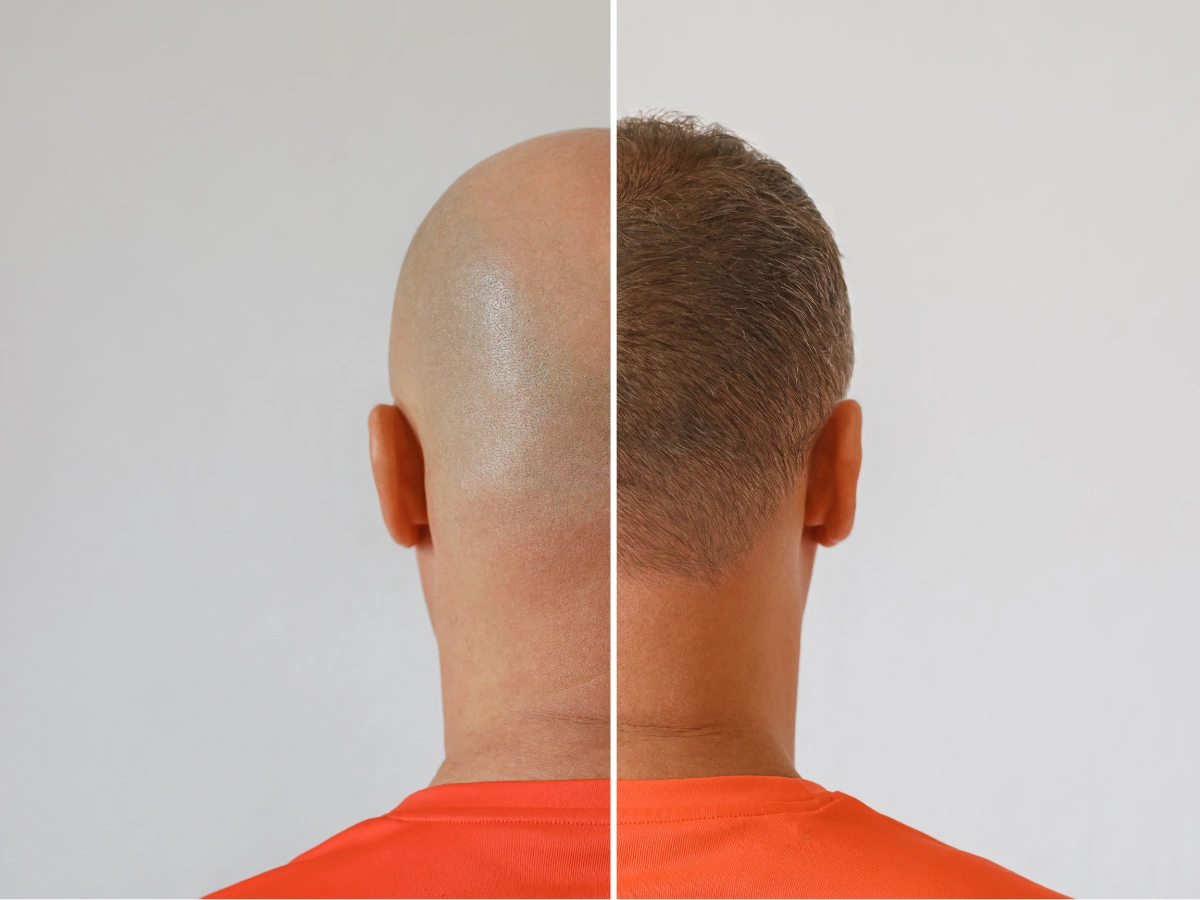


For decades, the standard approach to significant hair loss was singular: surgical extraction and transplantation. However, as we move through 2026, the landscape of aesthetic medicine has dramatically shifted.
Today’s high-net-worth individuals and busy executives are moving away from invasive procedures, seeking out advanced biological solutions that offer efficacy without the extensive downtime.
When looking at Exosome therapy vs hair transplant UK trends, a clear pattern emerges in the Midlands. Birmingham’s professionals are increasingly bypassing the surgeon’s scalpel in favour of regenerative cellular treatments.
But what is driving this shift, and why has “biologic” become the buzzword in high-end aesthetic circles?
The Shift Toward Regenerative Medicine
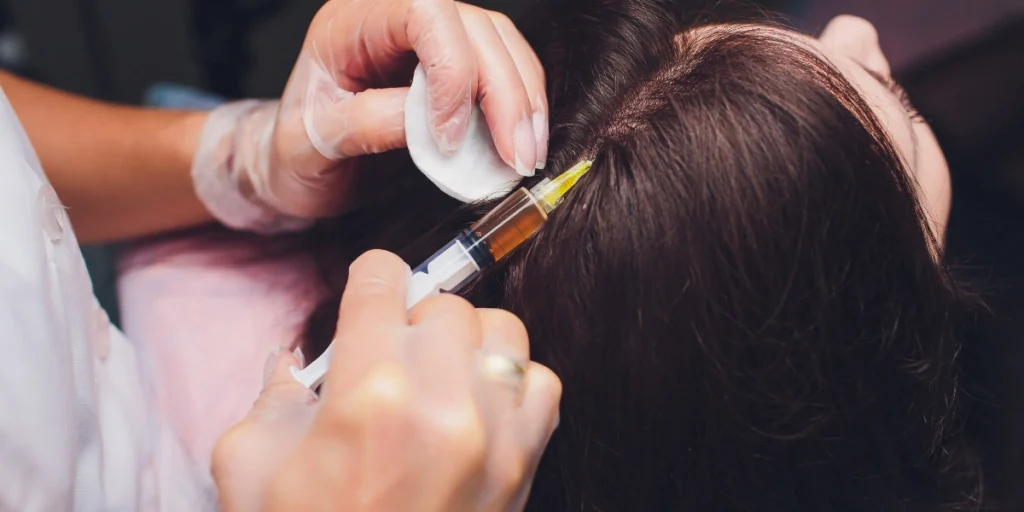
The era of spending two weeks hiding under a baseball cap post-surgery is rapidly fading. For business leaders and public-facing professionals, downtime is simply not an option. This demand for discretion and efficiency has accelerated the rise of Non-Surgical Hair Restoration Services across the country.
In the heart of the Midlands, non-surgical hair restoration Birmingham is becoming the gold standard. The appeal is straightforward: regenerative medicine works with the body’s natural cellular communication processes rather than mechanically relocating hair follicles.
By leveraging the body’s own healing mechanisms, these treatments provide a highly effective alternative to hair transplant surgery UK residents can rely on without taking time away from their demanding lives.
Understanding the Science: Exosomes vs. Traditional Transplants
To understand the debate surrounding Exosome therapy vs hair transplant UK clinics are currently seeing, we have to look at how both methods fundamentally operate.
The Traditional Approach: FUE Transplants
Follicular Unit Extraction (FUE) involves surgically removing individual hair follicles from a donor area (usually the back of the head) and implanting them into thinning areas.
While effective, it is a surgical procedure. It requires shaving the head, localized trauma to the scalp, a visible healing period involving scabbing, and a risk of scarring.
The Biologic Approach: Exosomes
Exosomes are nanoscale extracellular vesicles. Think of them as delivery vehicles carrying vital messenger RNA, proteins, and potent growth factors.
When introduced to the scalp, they essentially send “wake-up” signals to dormant hair follicles, commanding them to switch from the resting phase (telogen) back into the active growth phase (anagen).
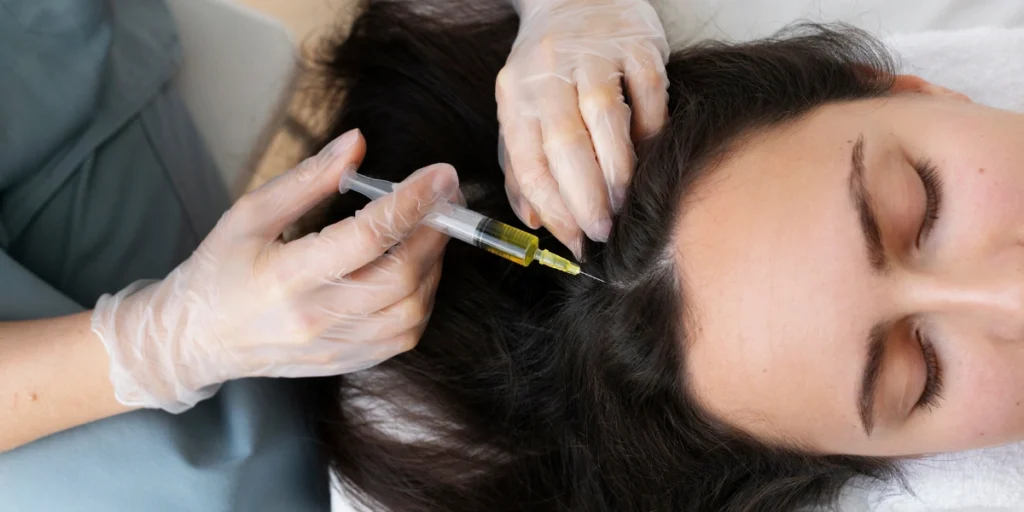
Because this relies on cellular signalling rather than surgery, a leading regenerative hair loss treatment Edgbaston clinic can perform the procedure swiftly, using micro-needling or superficial injections to deliver the exosomes directly to the hair follicles.
Why Birmingham’s Professionals Opt for the “Lunchtime Procedure”
The practical advantages of biologics are particularly evident when looking at the daily routines of city professionals. The concept of the lunchtime hair treatment Birmingham is now a reality.
A traditional hair transplant requires days of rest and weeks of awkward, visible healing. In contrast, exosome therapy offers minimal to zero downtime.
A corporate director can visit a hair loss clinic Colmore Row during their lunch break, undergo a session of Exosome Hair Therapy Birmingham, and return to a board meeting that afternoon with nothing more than a mild, temporary flush to the scalp.
This level of discretion is precisely why hair restoration for professionals West Midlands is skewing heavily toward biologics.
Whether they are seeking a trusted hair clinic Birmingham city centre offers or prefer the quieter luxury of an aesthetics clinic Solihull, the demand is uniform: high-impact results with zero interruption to their lifestyle.
Exosomes vs FUE Cost 2026: A Modern Investment
When evaluating Exosomes vs FUE cost 2026 data, the conversation has moved beyond just the initial price tag.
- FUE Transplants: Typically require a large lump-sum investment, often ranging from £4,000 to £10,000 depending on the graft count and clinic prestige. However, the “hidden” costs include taking 1-2 weeks off work and the potential need for a secondary transplant years later as natural hair behind the transplanted area continues to thin.
- Exosome Therapy: Usually priced per vial or session, running a few hundred to over a thousand pounds per treatment, with a course of treatments often recommended.
While the long-term monetary cost of repeated exosome sessions may eventually parallel a single FUE surgery, the value proposition is entirely different.
For Birmingham’s elite, avoiding the opportunity cost of missing two weeks of work combined with the absolute privacy of the treatment makes biologics the smarter investment.
They are paying for Advanced Hair Loss Treatments UK that align with a premium, uninterrupted lifestyle.
The Patient Experience: From Colmore Row to the Jewellery Quarter
The aesthetic infrastructure in the city has evolved to meet this premium demand. A top-tier private hair clinic Birmingham patients visit today looks more like a luxury wellness club than a clinical hospital ward.
Patients seeking a scalp specialist Jewellery Quarter or exploring advanced aesthetics Birmingham city centre can expect highly personalized, data-driven treatment plans. Clinics use advanced scalp diagnostics to map follicle health before initiating Regenerative Aesthetics Solutions.
This bespoke, concierge-level care is a hallmark of premium hair restoration West Midlands providers.
The Future is Cellular
As we navigate 2026, the data is clear. While surgical transplants will always have a place for advanced stages of baldness, early-to-moderate hair thinning is now primarily treated through biology, not surgery.
The ongoing conversation regarding Exosome therapy vs hair transplant UK highlights a fundamental shift in patient priorities: we no longer want to just cover up the problem; we want to regenerate our natural cellular health.
Frequently Asked Questions
What is the main difference in Exosome therapy vs hair transplant UK procedures?
A hair transplant surgically moves existing hair follicles from one part of the scalp to another. Exosome therapy is non-surgical; it uses cellular messengers (growth factors and RNA) applied to the scalp to stimulate your existing, dormant follicles to grow hair naturally.
How long is the recovery time for exosome hair therapy?
Exosome therapy is widely considered a “lunchtime procedure.” There is no surgical recovery time. Patients may experience slight redness or sensitivity at the application site for 12 to 24 hours, but can immediately resume normal, non-strenuous activities.
Does exosome therapy replace the need for a hair transplant?
For patients with early to moderate hair thinning or diffuse thinning, exosomes are an excellent alternative to surgery. However, for completely bald areas where follicles have permanently died, a surgical transplant remains the only way to restore hair to that specific zone.
Is exosome therapy noticeably cheaper than FUE in 2026?
Looking at Exosomes vs FUE cost 2026 averages, exosome treatments require a lower upfront cost per session compared to the large lump sum of a transplant. However, because exosomes may require maintenance sessions over the years, the lifetime financial investment can be comparable. The real savings are in time and avoiding lost income from surgical downtime.