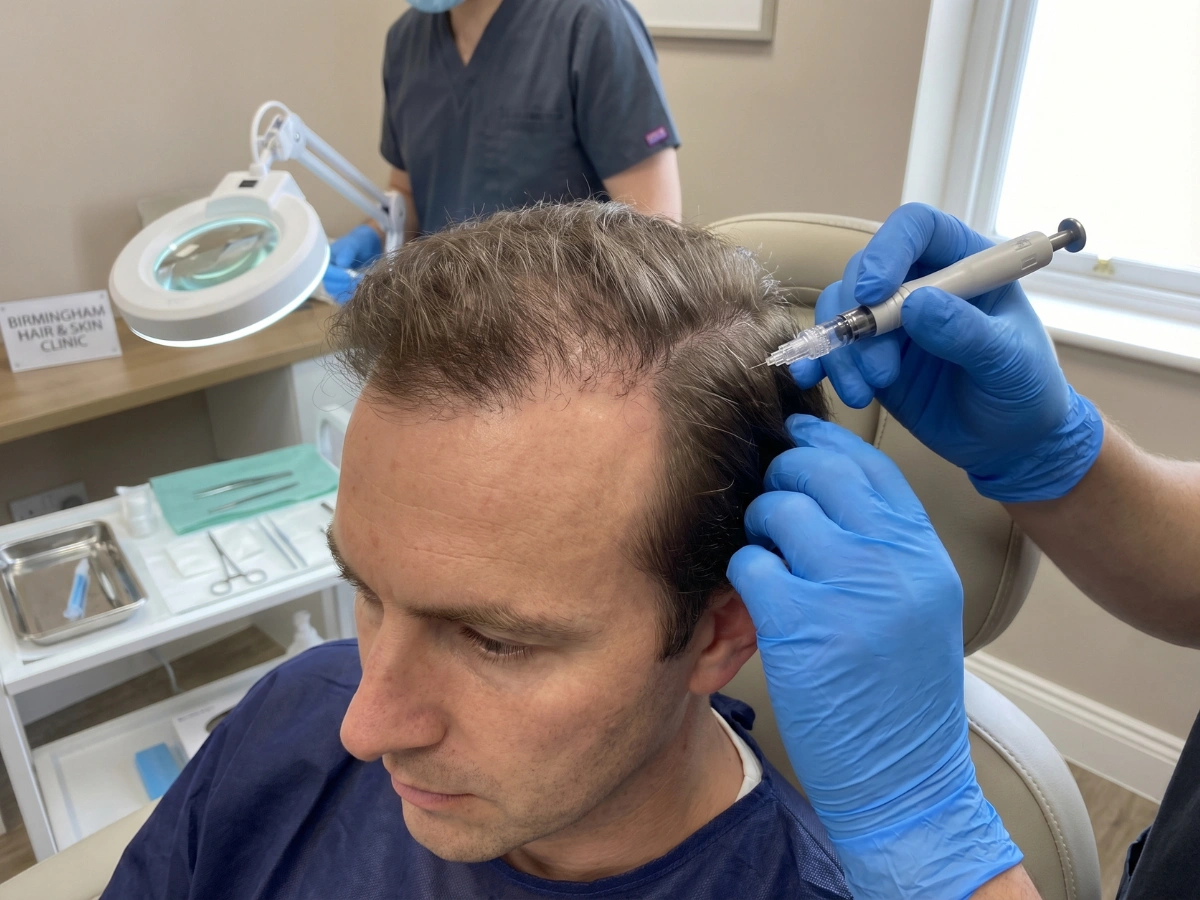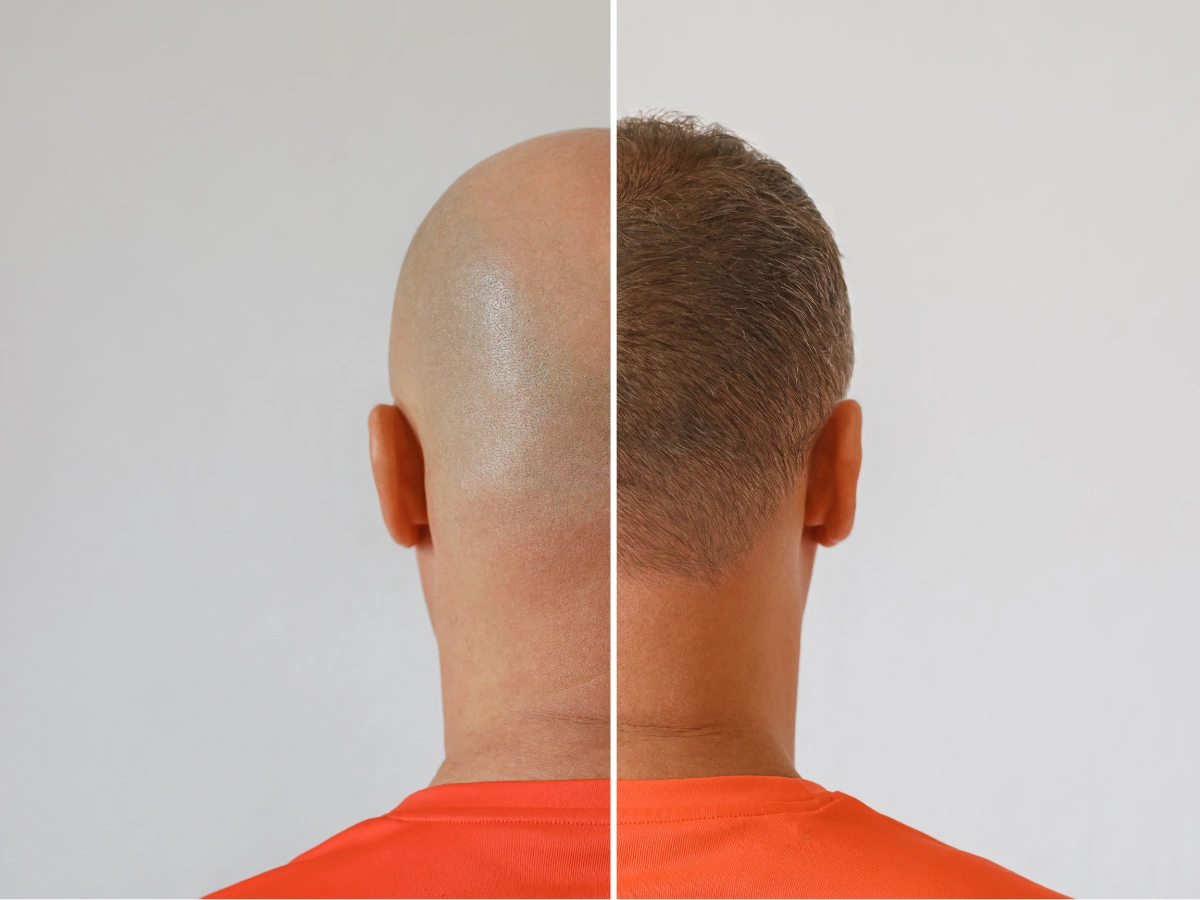


For years, hair transplants dominated the conversation around hair loss. If your hair was thinning, the assumption was simple: wait until it gets worse, then surgically move follicles from one area to another.
But 2026 tells a different story.
Across the UK, a quiet shift is happening. Patients are asking better questions. Clinics are investing in regenerative science. And the focus is moving from cosmetic correction to biological repair.
Welcome to the era of Regenerative Hair Restoration UK.

The Shift: From Surgical Fix to Biological Strategy
Hair transplants still have their place. Techniques have improved, scarring is minimal, and results can be natural when done well. But surgery does not stop ongoing hair loss. It redistributes what you already have.
That limitation has driven demand for smarter, non-surgical approaches.
Today, Regenerative Hair Restoration UK is centred on improving scalp health, reactivating dormant follicles, reducing inflammation, and strengthening existing hair. Instead of simply relocating follicles, regenerative therapies aim to support the scalp as a living ecosystem.
In short: the goal is not just more hair. It is healthier hair for the long term.
Why 2026 Is a Turning Point in the UK
Several factors are converging in 2026:
- Advances in cellular science
- Better clinical protocols for biologics
- Increased awareness among Millennials
- Growth of specialist clinics in major UK cities
More importantly, patient expectations have changed. People want treatments that align with overall wellbeing. They want transparency, data, and preventative strategies.
This is why searches for Hair transplant alternatives UK 2026 have surged. Patients are no longer waiting until significant balding occurs. They are intervening earlier.
What Is Regenerative Hair Restoration?
Quick Answer for Searchers:
Regenerative Hair Restoration uses biologically active treatments such as growth factors, exosomes, stem cell derivatives, and advanced PRP to stimulate natural hair regrowth and improve scalp health without surgery.
In the UK, this approach is now widely associated with Regenerative Hair Restoration UK, which focuses on personalised protocols tailored to individual hair loss patterns.
Rather than a one-size-fits-all solution, treatments are layered and strategic.
The Rise of Next-Generation Therapies
1. Exosome Therapy UK
Exosomes are tiny extracellular vesicles that act as messengers between cells. In hair restoration, they help signal repair, reduce inflammation, and encourage follicular regeneration.
Exosome Therapy UK is gaining traction because it goes beyond traditional platelet-rich plasma. It delivers concentrated signalling molecules that may enhance follicle activity in a more targeted way.
Clinics offering Advanced Regenerative Hair Therapies are increasingly integrating exosomes into multi-step treatment plans.
2. Next-Gen PRP
Traditional PRP has been used for years. But 2026 has brought refined centrifugation techniques and better platelet concentration protocols.
Next-Gen PRP focuses on optimised platelet activation and improved delivery methods, sometimes combined with microneedling for enhanced absorption.
If you’re exploring PRP Hair Loss Treatment, ensure the clinic explains how their protocol differs from older, generic PRP methods.
3. Stem Cell Hair Injections
While true stem cell harvesting remains complex, many UK clinics now use stem cell-derived growth factors in Stem Cell Hair Injections.
These biologically active compounds aim to:
- Stimulate dormant follicles
- Improve scalp vascularity
- Extend the hair growth phase
In the context of Regenerative Hair Restoration UK, stem cell-based solutions are often part of combination therapy rather than standalone procedures.
4. Polynucleotides for Hair
One of the fastest-growing innovations is Polynucleotides for Hair. These DNA-derived molecules support tissue repair and hydration at a cellular level.
In scalp treatments, polynucleotides help:
- Reduce inflammation
- Improve scalp elasticity
- Boost microcirculation
They are particularly useful in early-stage thinning and as part of preventative hair loss treatments for Millennials.
5. Microneedling with Growth Factors
Microneedling is not new, but combining it with growth factor serums has transformed its impact.
Microneedling with Growth Factors improves product penetration while stimulating collagen and scalp repair. It is frequently included in modern Regenerative Hair Restoration protocols, especially for diffuse thinning.
Why Millennials Are Acting Earlier
Millennials are driving demand for preventative hair loss treatments for Millennials for three reasons:
- Social visibility and digital culture
- Greater awareness of early thinning
- Access to non-surgical options
Instead of waiting for severe hair loss, many now seek a Hair Restoration Consultation London or similar assessment in Manchester or Birmingham at the first signs of recession.
Early intervention often means stronger long-term results and fewer invasive procedures.
The Role of Regenerative Care After a Transplant
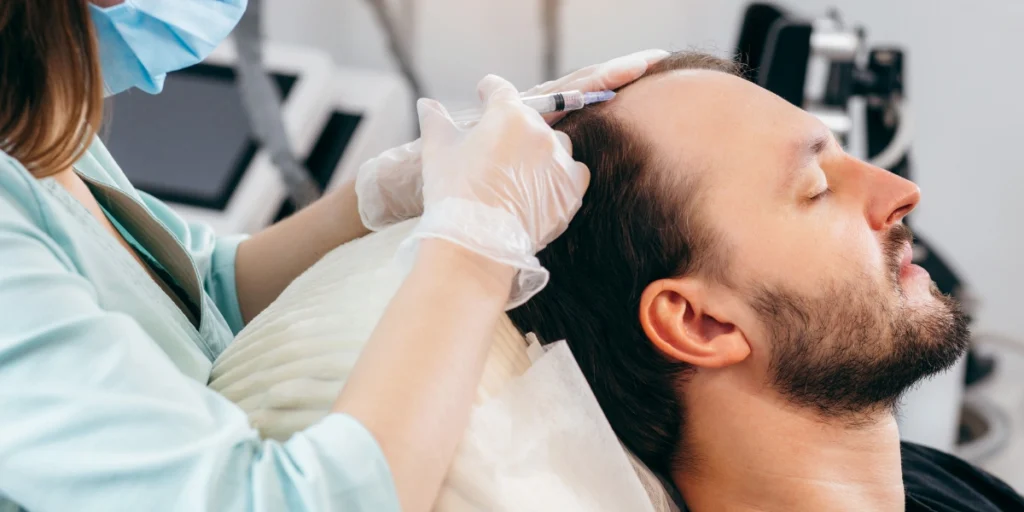
Transplants are not disappearing. But the smartest clinics now combine surgery with biologic maintenance.
What is post-transplant regenerative care?
Post-transplant regenerative care involves PRP, exosomes, or growth factor treatments to:
- Improve graft survival
- Reduce inflammation
- Accelerate healing
- Protect surrounding native hair
This approach ensures that surgical results are preserved and supported over time.
Many patients undergoing procedures at reputable Harley Street Hair Restoration clinics are now offered regenerative follow-up plans as standard.
Growth of Premium Clinics in London, Manchester and Birmingham
The UK’s major cities are seeing rapid growth in specialist centres:
- Non-surgical hair loss clinics London
- Non-surgical hair loss clinics Manchester
- Non-surgical hair loss clinics Birmingham
These clinics are moving beyond cosmetic marketing. They focus on diagnostics, scalp mapping, and data-driven protocols.
When booking a <a href=”#”>Hair Restoration Consultation London</a> or seeking care in Manchester or Birmingham, look for clinics that offer:
- Detailed scalp analysis
- Personalised Hair Loss Treatment Plans
- Combination regenerative protocols
- Clear explanations of expected timelines
Regenerative vs Cosmetic: What’s the Real Difference?
Cosmetic procedures focus on appearance. Regenerative medicine focuses on biology.
Regenerative Hair Restoration UK aims to:
- Improve scalp environment
- Slow progressive thinning
- Strengthen miniaturised follicles
- Support long-term hair density
It treats hair loss as a chronic condition requiring management, not a one-time fix.
This is why many patients researching Non-Surgical Hair Replacement UK are now comparing those options with biologically driven treatments that stimulate natural growth instead of concealing thinning areas.
Is Regenerative Hair Restoration Right for You?
Quick Answer:
It may be suitable if you:
- Are in early to moderate stages of hair thinning
- Want to delay or avoid surgery
- Have had a transplant and want to protect results
- Prefer a non-invasive approach
The key is assessment. A reputable clinic offering Personalised Hair Loss Treatment Plans will determine whether you are a good candidate for regenerative therapy, transplant, or a hybrid approach.
The Bigger Picture: Hair Health as Preventative Medicine
2026 is not just about new treatments. It marks a shift in mindset.
Hair is now viewed as part of overall health. Inflammation, stress, hormonal imbalance, and scalp circulation all play a role.
Regenerative Hair Restoration UK reflects that shift. It aligns with broader trends in regenerative medicine across dermatology and aesthetics.
Patients are asking:
- How do I protect my hair long term?
- How early should I intervene?
- Can I improve scalp health before visible thinning?
Those questions signal a more informed generation.
Final Thoughts
The UK hair restoration landscape in 2026 looks very different from a decade ago. Surgery is no longer the automatic solution. Biology is leading the conversation.
From Exosome Therapy UK and Next-Gen PRP to Stem Cell Hair Injections and Polynucleotides for Hair, regenerative science is reshaping expectations.
For anyone exploring Hair transplant alternatives UK 2026, the focus should be clear: sustainable results, preventative care, and personalised strategy.
Because the future of hair restoration is not about replacing what is lost. It is about protecting and regenerating what you still have.