
Low-level laser therapy gets lumped in with a lot of hair loss marketing noise, so it’s worth separating what the treatment actually does from what gets implied in adverts. Here’s a straight look at LLLT: how the sessions work, who it suits, and what it won’t do.
What LLLT is
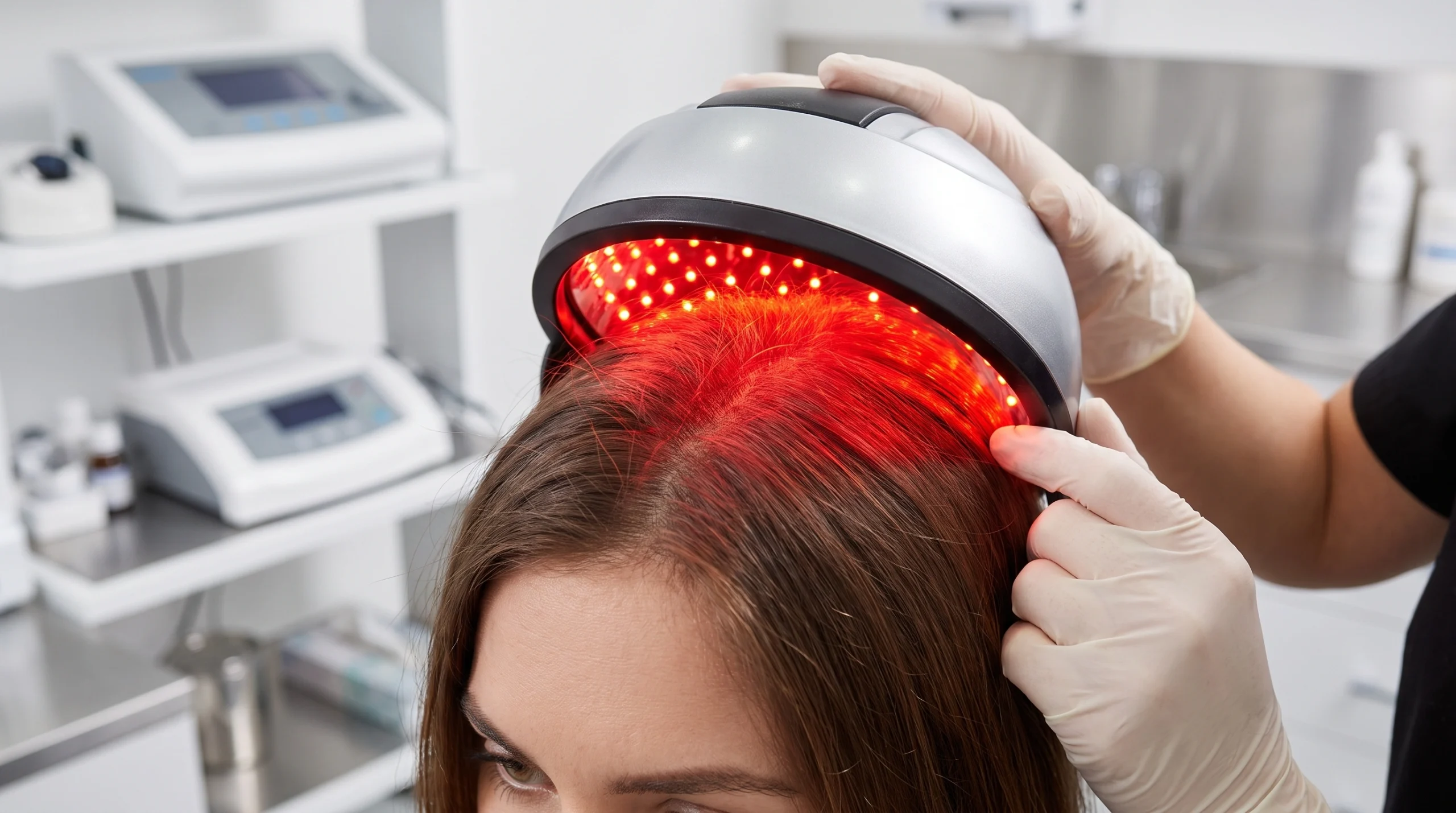
LLLT (low-level laser therapy) uses red light at a specific wavelength to stimulate hair follicles. The devices used at Ultra Hair Clinic are FDA-cleared, which is a different thing from FDA-approved. Approval is the bar the FDA sets for drugs; clearance is the pathway for devices like this one, granted through the 510(k) process once a device is shown to work similarly to an existing cleared device. It’s worth knowing the distinction, since the two terms get used interchangeably online and they’re not the same claim.
What a session involves
Sessions run around 30 minutes, with no downtime afterward. You can go straight back to work or whatever’s next in your day. There’s no needles, no numbing cream, no recovery period, just sitting under the device while it does its work.
Who it actually helps
LLLT is aimed at early-stage hair loss, not advanced baldness. If you’re noticing thinning at the crown or a widening parting but still have follicles that are miniaturising rather than gone, this is squarely the stage it’s designed for. It’s marketed as safe for all hair types, and the mechanism doesn’t rely on hair colour or texture to work.
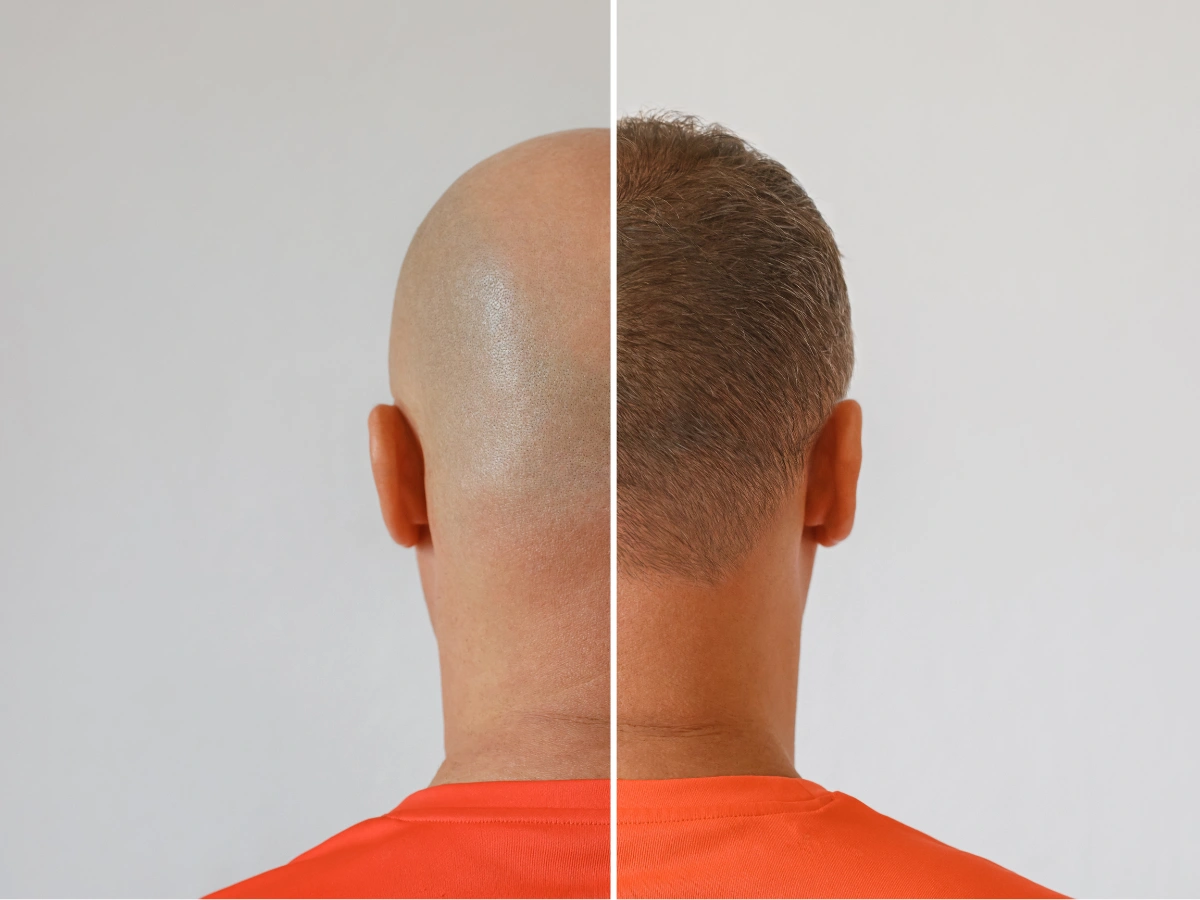
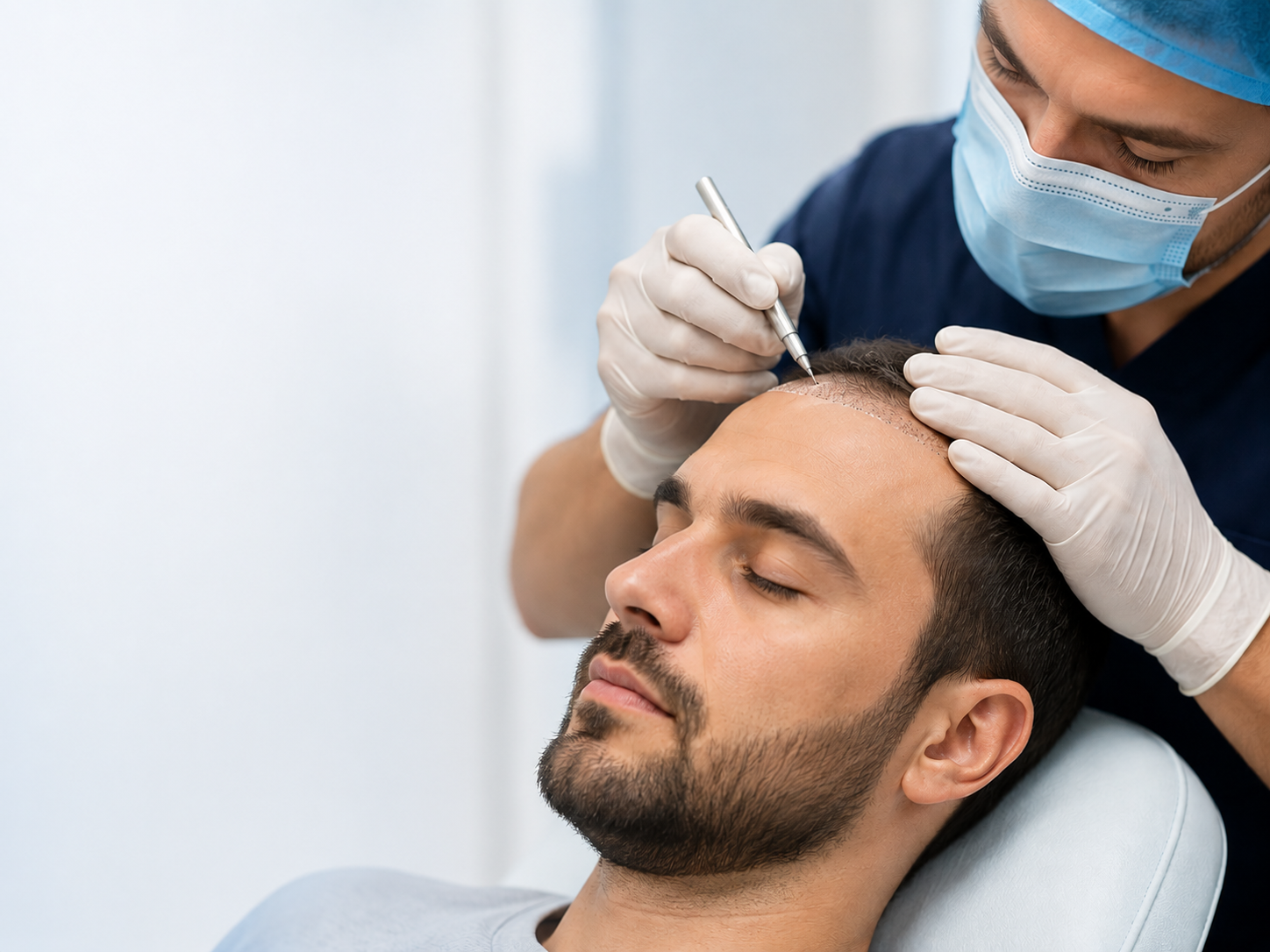
If you’re already at the stage of significant bald patches with no follicle activity, LLLT isn’t going to bring that back. That’s a transplant conversation, not a laser one.
What it won’t do
It’s not an alternative to a hair transplant for established baldness, and it’s not a one-session fix. Like most hair regrowth treatments, it needs a course of regular sessions before you’d expect to see a difference, and results vary depending on how advanced the thinning already is.
Why “FDA-cleared” matters more than it sounds
A lot of hair loss marketing leans on “FDA-approved” because it sounds more impressive, even when the product in question was actually cleared, not approved. For LLLT devices specifically, approval isn’t even the relevant category. Getting this right isn’t just a technicality, it’s the difference between an accurate claim and a misleading one.
Frequently asked questions
Is LLLT painful?
No. There’s no needles or discomfort. Most people describe it as simply sitting under warm light for half an hour.
How many sessions will I need?
It varies by how advanced your hair loss is, which is why a consultation beforehand matters. It’s a course of treatment, not a single visit.
Is LLLT suitable for all hair types?
Yes, the treatment is marketed as safe across hair types since it works at the follicle level rather than depending on hair colour or texture.
Is this the same as a hair transplant?
No. LLLT stimulates existing, still-active follicles. It can’t regrow hair in areas where follicles are already gone, which is where a transplant would be the relevant option instead.
Is the device FDA-approved?
It’s FDA-cleared, not FDA-approved. These are different regulatory pathways, and cleared is the correct, accurate term for this category of device.