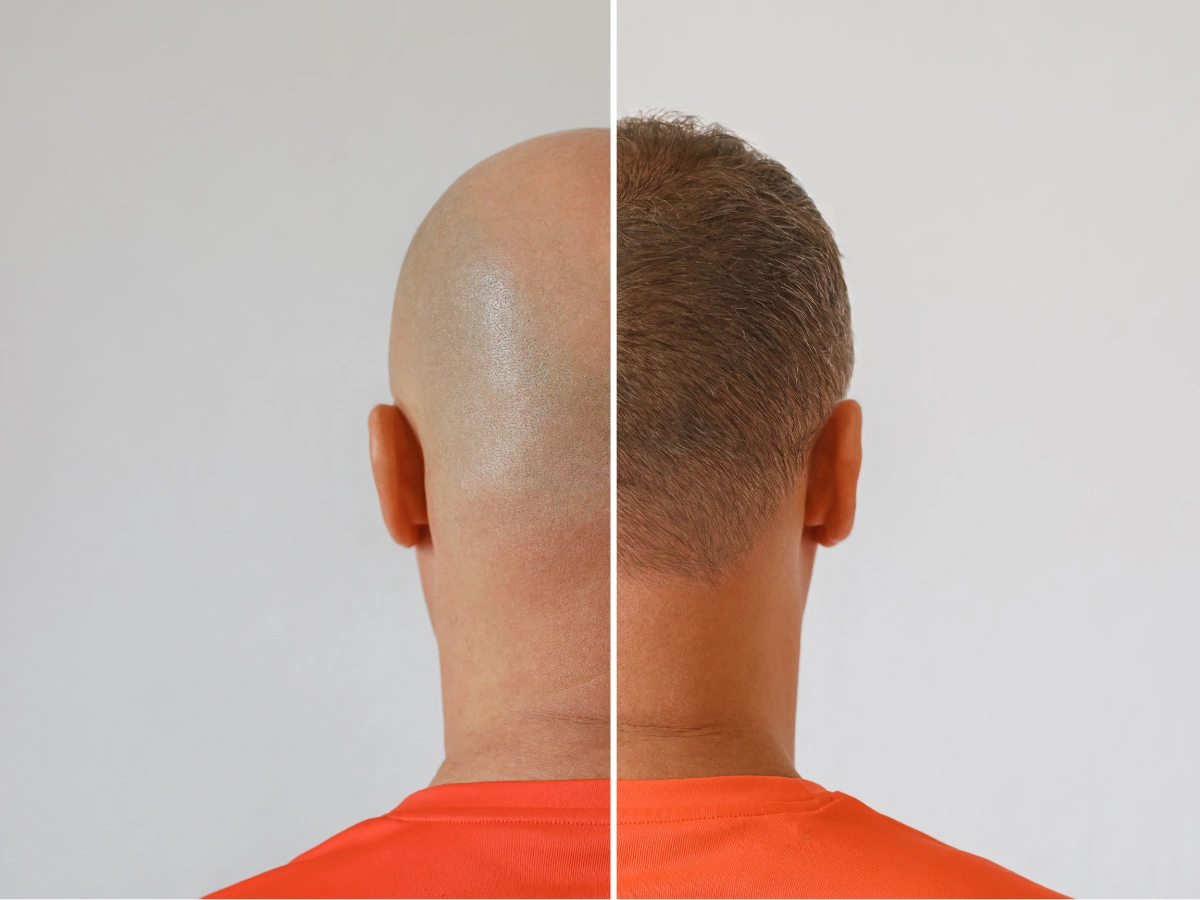


For years, hair restoration in Britain has centred on one visible goal: replace what’s been lost. Whether through medication, topical serums, or surgery, the focus was always on the strand. In 2026, that thinking has shifted.
Clinics across the country are now prioritising the scalp as living tissue rather than a passive surface.
The conversation has moved from cosmetic concealment to biological repair. This is the year Regenerative hair care UK becomes more than a trend. It becomes the new standard.
So what has changed, and why now?
The Shift Towards a Scalp-First Approach

Hair does not weaken in isolation. It miniaturises because the environment supporting it deteriorates.
Blood flow declines. Inflammation increases. Hormonal sensitivity disrupts the follicle cycle. The scalp microbiome becomes imbalanced.
A scalp-first approach recognises that the follicle is an organ system embedded in skin, immune cells and vascular networks.
When those systems falter, hair quality declines long before shedding becomes obvious.
In 2026, UK patients are more informed. They are asking deeper questions:
- Why is my hair thinning?
- Can we repair the follicle rather than replace it?
- Are there non-surgical options that stimulate real growth?
This demand has accelerated innovation in Regenerative hair care UK, pushing clinics to adopt biologically driven treatments instead of purely cosmetic fixes.
What Is Regenerative Hair Care?
At its core, regenerative treatment focuses on restoring follicle function through cellular stimulation and tissue repair.
Rather than transplanting hair from one area to another, regenerative strategies aim to:
- Improve blood supply to dormant follicles
- Reduce inflammation around the hair bulb
- Stimulate growth factors naturally
- Strengthen the scalp’s immune environment
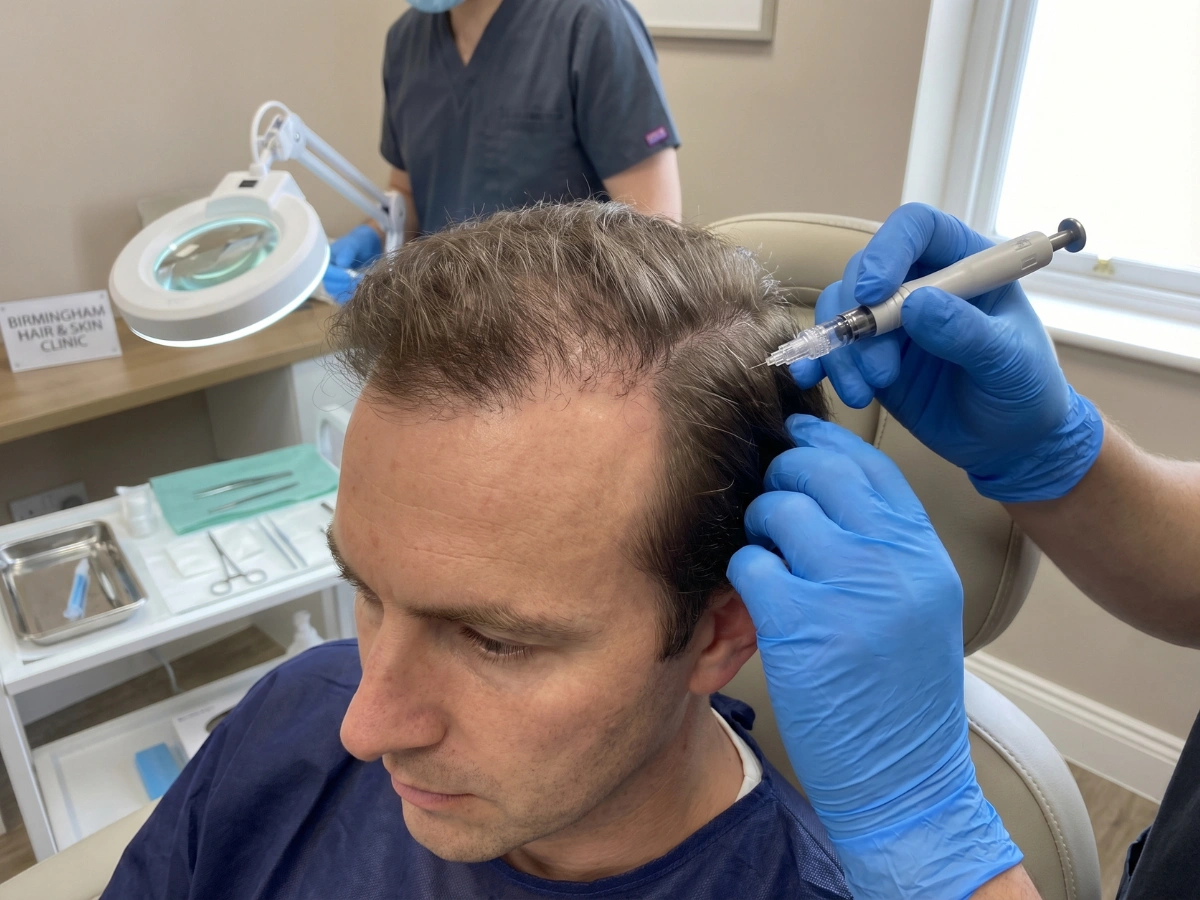
In practical terms, this includes platelet-rich plasma (PRP), microneedling protocols, stem cell-derived treatments, and increasingly, exosome-based therapies.
The difference is subtle but powerful. Regeneration seeks to revive what is already there.
The Science Behind Biological Repair
Hair follicles cycle through growth (anagen), regression (catagen) and rest (telogen). In pattern hair loss, follicles shrink gradually.
This process, known as miniaturisation, leads to finer strands until growth stops entirely.
Regenerative approaches work by sending signals back to the follicle.
Growth factors encourage cellular repair. Anti-inflammatory signals calm the immune response. Improved vascular support enhances oxygen and nutrient delivery.
This is where advanced cellular therapies are making headlines in the UK aesthetic market.
Exosome Therapy for Hair Loss: A New Standard?
One of the most talked-about innovations this year is Exosome therapy for hair loss.
Exosomes are microscopic extracellular vesicles derived from stem cells. They act as biological messengers, carrying proteins, lipids and growth factors that influence cell behaviour.
When introduced into the scalp, they can stimulate dormant follicles, reduce inflammation and improve tissue repair.
Why is this significant?
Because unlike traditional injections that rely solely on the patient’s own growth factors, exosome therapy delivers a concentrated regenerative signal.
Early clinical evidence suggests improved density, reduced shedding and better hair calibre over time.
Across leading UK clinics, this therapy is increasingly positioned as part of the Best non-surgical hair restoration UK options available today.
Patients appreciate that it is minimally invasive, involves little downtime and addresses the root cause rather than simply masking symptoms.
Why Scalp Microbiome Balance Matters
For years, dermatology research has highlighted the importance of the skin microbiome. Now, attention is turning to the scalp.
The scalp microbiome balance refers to the ecosystem of bacteria and fungi living on the skin surface.
When balanced, it protects against inflammation and barrier dysfunction. When disrupted, it can contribute to dandruff, irritation and chronic low-grade inflammation that impairs follicle health.
In 2026, regenerative protocols often include:
- Medical-grade scalp detox treatments
- Anti-inflammatory topical formulations
- Personalised scalp mapping
- Nutritional interventions
Without restoring scalp microbiome balance, even advanced therapies may struggle to deliver long-term results.
This holistic perspective is a defining feature of modern Regenerative hair care UK strategies.
Traditional Hair Transplants vs Regenerative Treatments
Hair transplantation remains effective for advanced baldness. It redistributes permanent follicles from donor zones to thinning areas. For many, it is life-changing.
However, it does not halt underlying progression in surrounding native hair. Patients often require medication to maintain existing follicles.
Regenerative non-surgical treatments differ in three key ways:
- They target early-stage thinning.
- They aim to reverse hair miniaturisation rather than bypass it.
- They improve scalp health globally, not just specific patches.
For younger patients or those in the early stages of androgenetic alopecia, regenerative care can delay or even remove the need for surgery.
This shift explains why demand for the Best non-surgical hair restoration UK options has surged in 2026.

Can Regenerative Treatments Reverse Hair Miniaturisation?
One of the most common questions patients ask is whether it’s possible to Reverse hair miniaturisation.
The honest answer: it depends on timing.
If follicles are still alive but producing thinner strands, regenerative therapy can often restore diameter and density. Once a follicle has fully scarred or died, regrowth becomes unlikely.
This is why early intervention is critical.
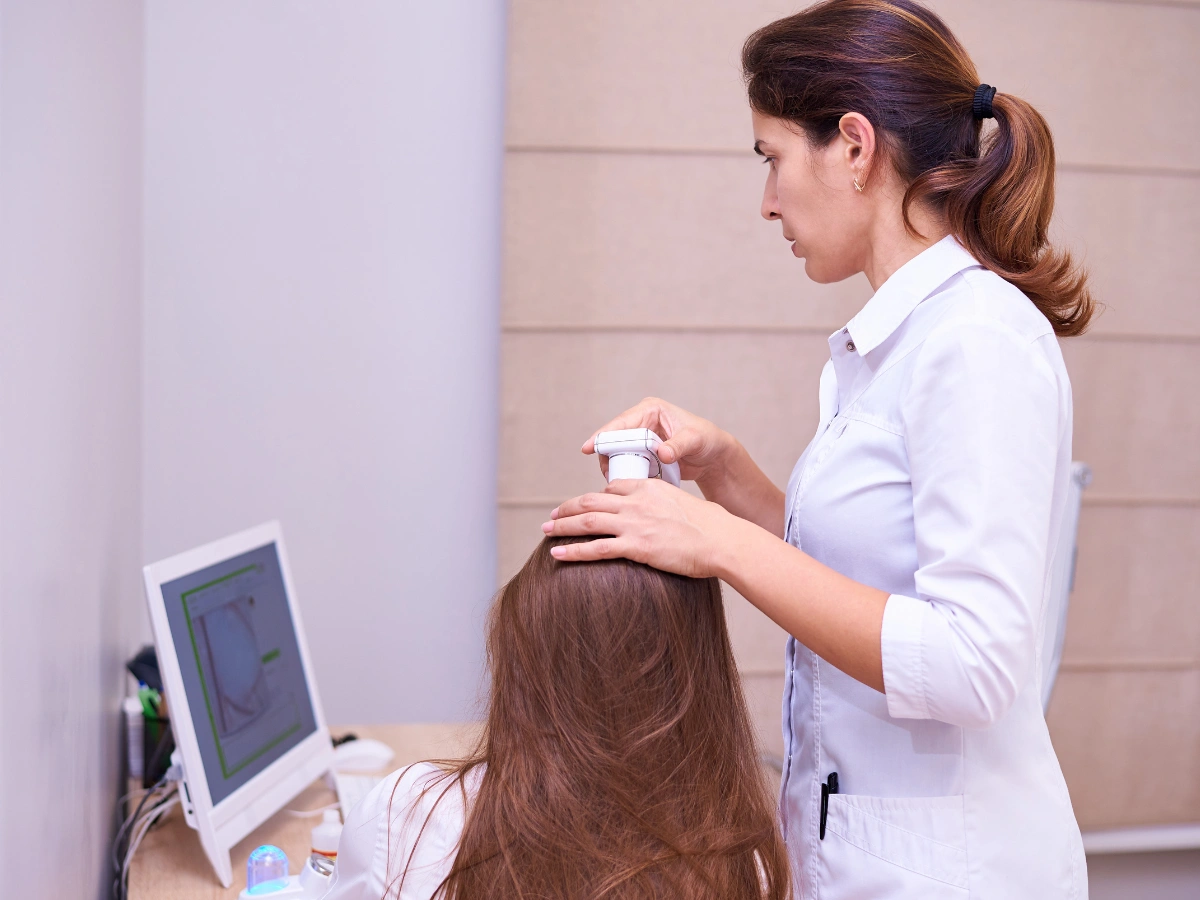
Modern diagnostics, including trichoscopy and digital density mapping, help clinicians identify miniaturised follicles before irreversible loss occurs.
When treated at this stage, many patients experience visible thickening within months.
The scalp-first revolution is not about miracles. It is about biology and timing.
Why 2026 Marks a Turning Point
Several factors have converged this year:
- Increased public awareness of regenerative medicine
- Greater demand for minimally invasive procedures
- Social acceptance of aesthetic treatments among men and women
- Advancements in cellular research
- Improved safety protocols and regulatory clarity
Patients no longer want temporary concealment. They want restoration that feels authentic and medically grounded.
Clinics offering Regenerative hair care UK solutions are reporting a noticeable rise in patients aged 25 to 40 seeking early intervention rather than waiting for severe hair loss.
This behavioural shift alone signals a long-term transformation in the market.
Who Benefits Most from Regenerative Hair Care?
Regenerative strategies are particularly effective for:
- Early to moderate androgenetic alopecia
- Postpartum shedding
- Stress-related telogen effluvium
- Thinning due to hormonal imbalance
- Individuals not ready for surgery
They are also suitable for transplant patients seeking to improve graft survival and protect surrounding hair.
However, realistic assessment is essential. A thorough consultation with a qualified hair restoration specialist remains the foundation of any successful treatment plan.
Frequently Asked Questions
Is regenerative hair treatment safe?
When performed in regulated UK clinics using approved protocols, regenerative treatments are generally considered safe. Always ensure your provider is medically qualified.
How long does it take to see results?
Most patients notice reduced shedding within 6 to 8 weeks. Visible thickening often appears between 3 and 6 months, depending on the treatment plan.
Is exosome therapy better than PRP?
Exosome therapy for hair loss may deliver stronger regenerative signalling. However, suitability varies by individual. A clinical assessment determines the best approach.
Does it replace hair transplants?
Not entirely. It can delay or reduce the need for surgery, but advanced baldness may still require transplantation.
The Future Is Scalp-Led
The biggest change in 2026 is philosophical.
Hair restoration is no longer about covering loss. It is about restoring biological integrity. The scalp is treated as living tissue that can be repaired, nourished and rebalanced.
This evolution in thinking defines Regenerative hair care UK today. It blends dermatology, cellular science and patient education into a cohesive strategy that prioritises long-term health over short-term cosmetic gain.
For those noticing thinning or seeking proactive solutions, the message is clear: treat early, treat intelligently, and treat the scalp first.