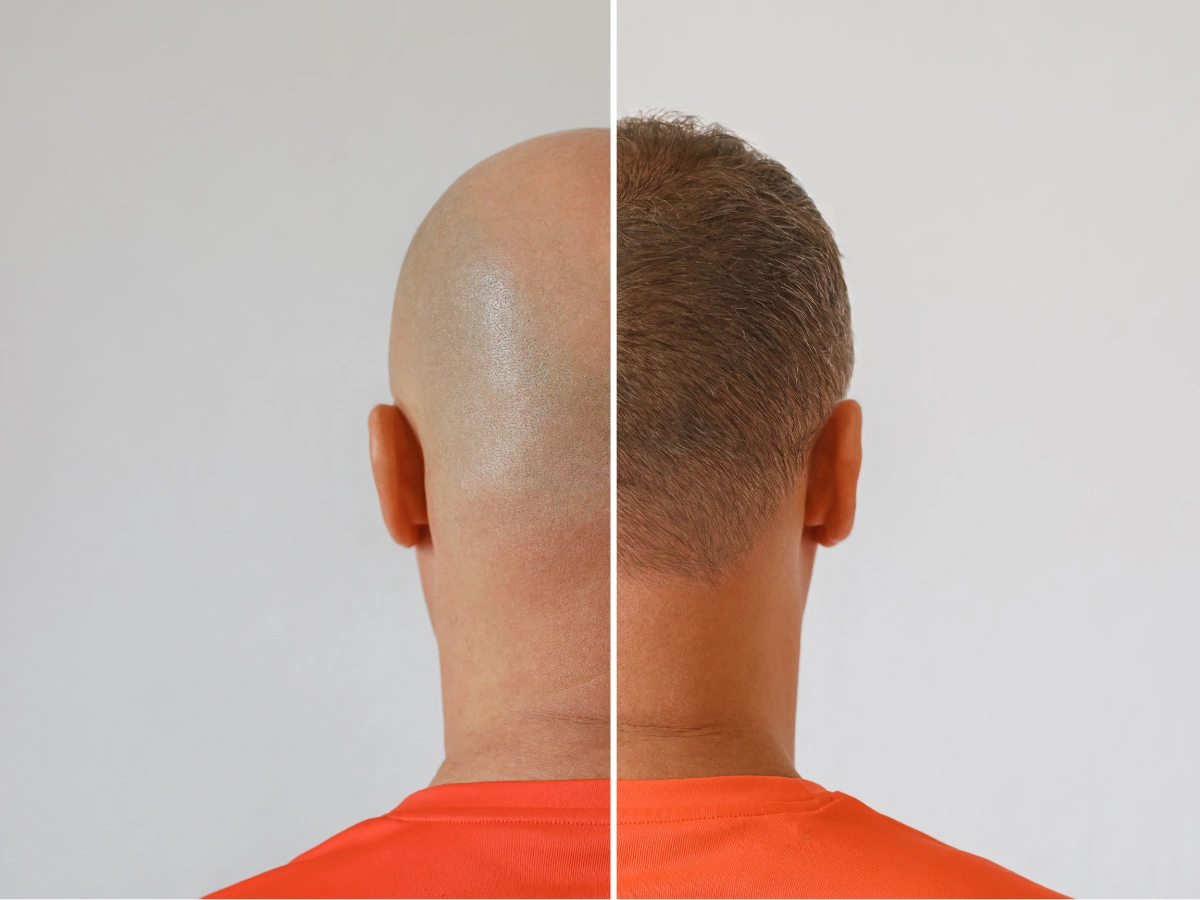


For years, hair loss conversations have circled around the same quick fixes. Stronger shampoos. Supplements with bold claims. Serums that promise visible results in weeks. Some help a little.
Many don’t last. As we step into 2026, the conversation has finally shifted to where it always should have been: the scalp.
Hair doesn’t fail in isolation. It reflects what’s happening underneath. Poor circulation, inflammation, damaged follicles, and cellular ageing all play a role.
That’s why regenerative hair loss treatments UK clinics are now offering feel like a genuine turning point rather than another trend.
This isn’t about chasing instant results. It’s about restoring the environment where healthy hair can actually grow.
Why the “quick fix” era is fading
Quick fixes focus on symptoms, not causes. They coat the hair shaft, stimulate temporarily, or slow shedding without addressing why follicles stopped performing in the first place.
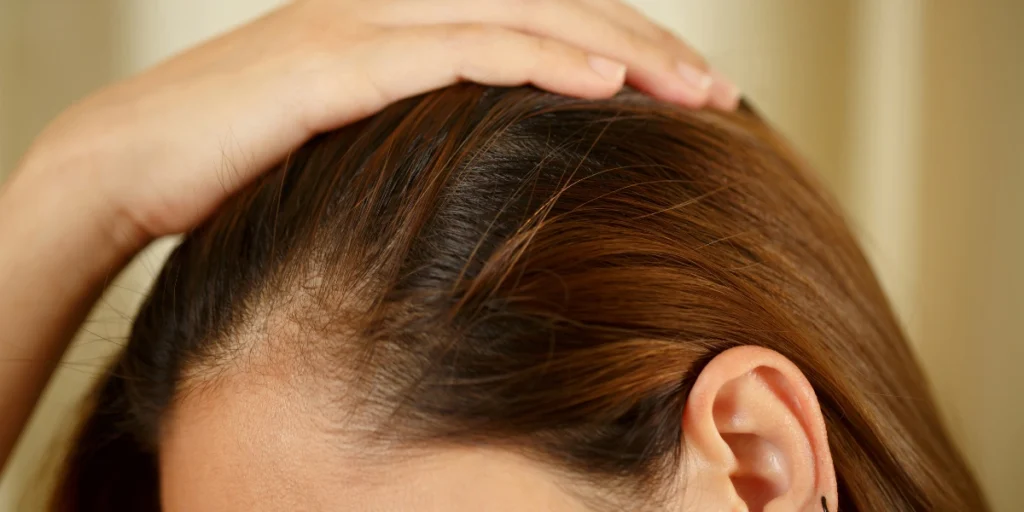
Common warning signs get ignored for years. Persistent itching. Redness. Excess oil or dryness.
These are classic signs of scalp inflammation and hair loss, yet most people treat them as minor annoyances rather than early signals.
By the time thinning becomes obvious, follicles are often dormant, not dead. That distinction matters. And it’s exactly where scalp regeneration therapy comes in.
What scalp regeneration actually means
Scalp regeneration therapy is about repairing and reactivating the scalp at a cellular level. Instead of forcing hair to grow, it creates the right conditions for natural growth to resume.
Think improved blood flow, reduced inflammation, collagen stimulation, and healthier follicle signalling. When the scalp functions properly, hair has a fighting chance again.
This is why non-surgical hair restoration London and UK clinics are seeing a surge in demand.
People want science-backed solutions without surgery, downtime, or artificial-looking outcomes.
The rise of regenerative hair loss treatments in the UK
The UK has become a hub for regenerative hair loss treatments UK specialists now offer with impressive clinical backing.
These treatments are personalised, medically led, and focused on long-term scalp health rather than cosmetic camouflage.
Two standouts are driving the shift.
Exosome therapy: leading the 2026 conversation
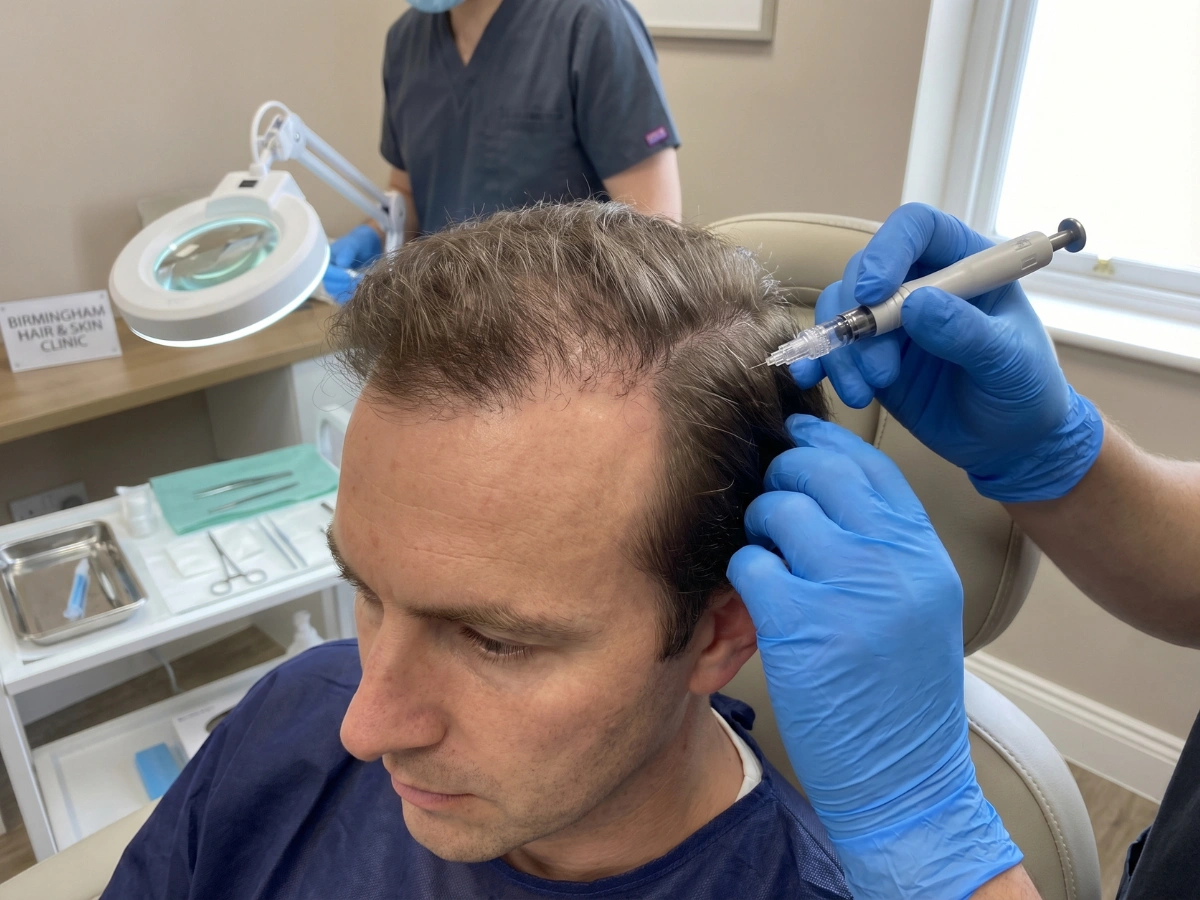
Exosome therapy for hair UK clinics provide is gaining serious attention. Exosomes are cell-derived messengers rich in growth factors and proteins.
When applied to the scalp, they help restart communication between dormant follicles and their environment.
What makes exosomes different is their precision. They don’t just stimulate growth randomly. They support repair, reduce inflammation, and improve follicle function at the source.
For many patients asking about the best treatment for dormant hair follicles 2026, exosomes are now part of that answer.
Polynucleotides: rebuilding scalp quality
Another key player is polynucleotides for hair growth UK clinics use to improve tissue quality. These compounds work by repairing damaged skin cells, boosting hydration, and improving elasticity within the scalp.
Healthier scalp tissue means better oxygen delivery and nutrient absorption. Over time, this supports thicker, stronger hair growth and reduces ongoing shedding.
PRP vs Exosomes: understanding the difference

A common question in clinics today is PRP vs Exosomes for thinning hair. Both are regenerative, but they work differently.
PRP uses your own blood platelets to stimulate growth. It can be effective, especially in early-stage thinning.
Exosomes, however, are more advanced. They deliver targeted signals directly to follicles and surrounding cells, often producing more consistent results in cases where PRP has plateaued.
Many practitioners now combine or sequence treatments depending on the individual. That flexibility is part of why non-surgical hair restoration London specialists are seeing better outcomes than ever before.
Scalp health is the new foundation
One of the biggest mindset shifts in 2026 is the focus on maintenance. People are finally asking how to improve scalp health for hair growth, not just how to regrow hair quickly.
That includes:
- Managing inflammation early
- Supporting the scalp microbiome
- Improving circulation and oxygenation
- Avoiding harsh products that damage the barrier
When these factors are addressed, regenerative treatments work better and last longer.
Who benefits most from scalp regeneration therapy?
Scalp regeneration therapy is particularly effective for people experiencing:
- Early to moderate thinning
- Diffuse hair loss rather than complete baldness
- Post-stress or hormonal shedding
- Poor response to topical treatments
It’s also becoming popular among those who want to future-proof their hair. Preventative care is no longer niche. It’s becoming standard.
Why 2026 is the tipping point
So why now? Because the science has matured, and expectations have changed.
People are tired of gimmicks. They want honest timelines, natural outcomes, and treatments that respect their biology.
Clinics offering regenerative hair loss treatments UK patients trust are meeting that demand with transparency and evidence-based care.
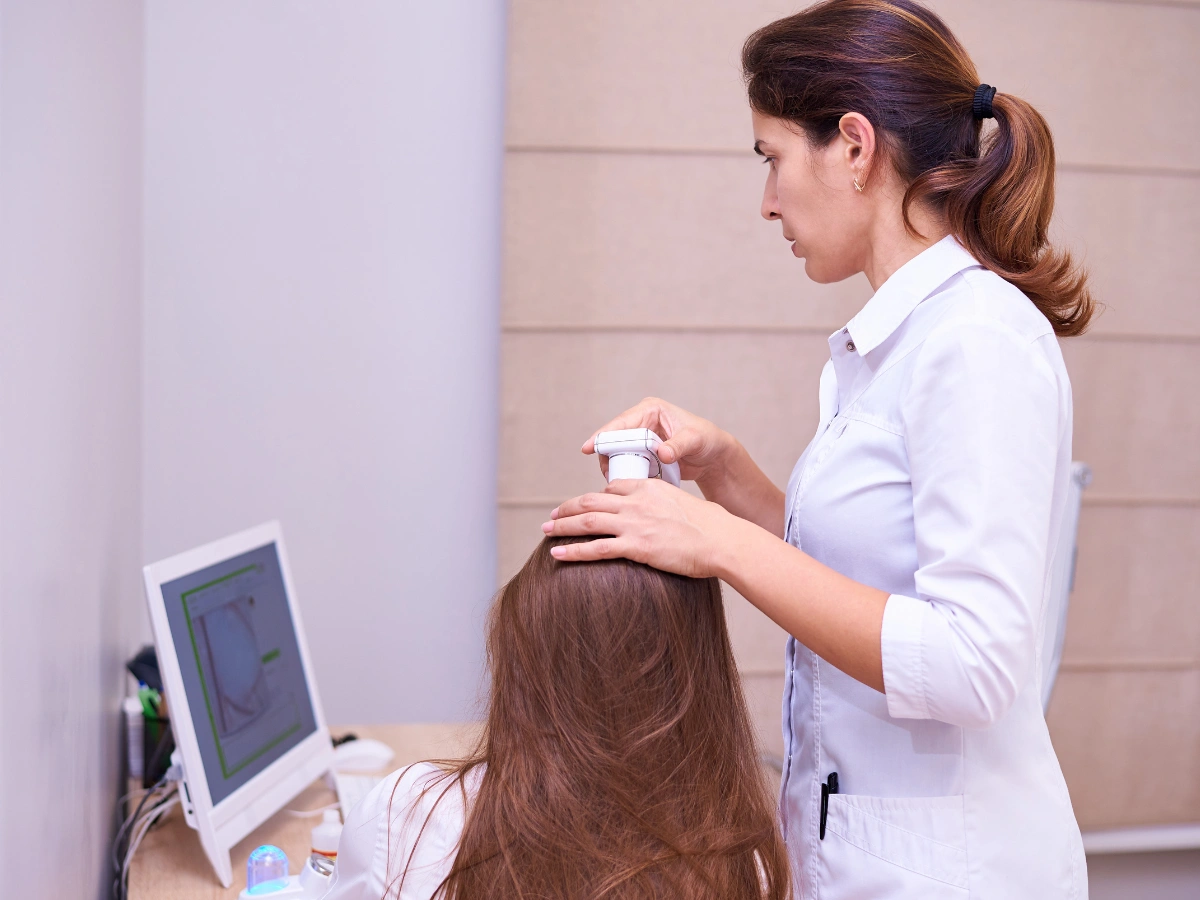
Exosome therapy for hair UK providers are no longer experimental. Protocols are refined. Results are measurable. Combined with advances in scalp imaging and diagnostics, treatment plans are more precise than ever.
Beyond hair: confidence and control
Hair loss isn’t just cosmetic. It affects confidence, identity, and how people show up in daily life. Regeneration-focused approaches give control back to the patient. They’re proactive rather than reactive.
Non-surgical hair restoration London and UK clinics now spend as much time educating patients as treating them. Understanding your scalp, recognising early warning signs, and committing to long-term health changes the entire experience.
The future is regenerative, not reactive
Quick fixes will always exist. But they’re no longer the main event.
Scalp regeneration therapy represents a smarter, more sustainable approach to hair loss. One that respects the complexity of the scalp and works with the body instead of against it.
As 2026 unfolds, the message is clear. Healthy hair starts beneath the surface. And for the first time in years, the tools to restore it properly are finally here.