Not as rare as folks think, trichotillomania UK flies under the radar despite affecting plenty. A compulsion to tug at hair – head, brows, lashes, anywhere – defines what some call a pulling problem.
Across the UK, countless individuals wrestle with this alone, unclear on next steps or if solutions are real.
What Is Trichotillomania?

Figuring out help for trichotillomania? In the UK, support often begins with your GP. From there, referrals might lead to talking therapies through the NHS.
Sometimes, standard routes don’t fit – this is where a specialist could make sense.
Not every path looks the same; some find relief early, others need more time.
Seeing someone who knows this condition well can shift things. Help exists, even if it feels hidden at first.
Trichotillomania UK: How Common Is It?
Some folks just can’t stop pulling out their own hair. That habit has a name – trichotillomania and it’s one kind of repeated physical act people do without meaning to.
A deep need builds up inside, pushing them to yank strands, usually followed by a short break in tension.
After doing it again and again, areas become bare or sparse, sometimes leaving marks on the skin.
Feelings like shame or sadness tend to follow along later.
Starting young or later in life makes no difference – this shows up at any age.
When pressure builds, when worry takes over, when everything feels flat, that is when pulling begins.
Calling it a choice misses the point entirely. This isn’t about willpower; it lives deeper than that.
Hair Pulling Disorder NHS: What Support Is Available?
One in every fifty folks across Britain pulls their hair without meaning to. That habit might sound rare, but it shows up more than most think – roughly one or two out of a hundred.
Quiet suffering hides behind closed doors because embarrassment keeps voices down. Judgment looms large, so silence grows louder over time.
Names matter; some only find that word – trichotillomania after seasons of confusion.
When folks spot the same patches missing hair – or keep trying but can’t quit yanking – it usually sends them searching the web.
Limited understanding pushes many down that path.
Starting with a visit to your doctor – that’s often how things begin if you’re struggling to stop pulling out hair. They take time to understand what you’ve been going through before pointing toward support options.
From there, a step might be made toward talking therapies offered by mental health teams – services like IAPT could come into play. Help exists, even when it feels hard to reach.
When to See a Trichotillomania Specialist UK
Common NHS treatment options include: Cognitive Behavioural Therapy (CBT)
Habit Reversal Training (HRT) Anxiety or stress management therapy
Not every area offers experts who truly understand hair pulling.
Help from the NHS sometimes works well, yet delays stretch on for months.
Because care differs so much by region, people start searching elsewhere. Outside options become a path when local services fall short.
A person who focuses on trichotillomania in the UK often knows how deep the habit runs, spotting clues others miss.
Because this isn’t just about broken strands or bare patches, their view ties behavior to biology.
You might meet someone trained in psychology, yet also aware of scalp science. These roles sometimes blend therapists teaming up with skin experts to cover more ground than one could alone.
- A visit to an expert could make sense when:
- NHS treatment has not improved symptoms
- Hair loss has become severe or long-term
- Emotional distress is affecting daily life
A different path might fit better. Your needs could shape the next step. This way feels closer to what matters. Maybe something adjusted works well.
A personal touch changes how it goes
A fresh look at individual triggers usually comes first when working with specialists.
Coping methods then get shaped around what works best for that person. Safety guides every step forward when it comes to bringing hair back.
Can Hair Grow Back After Trichotillomania?
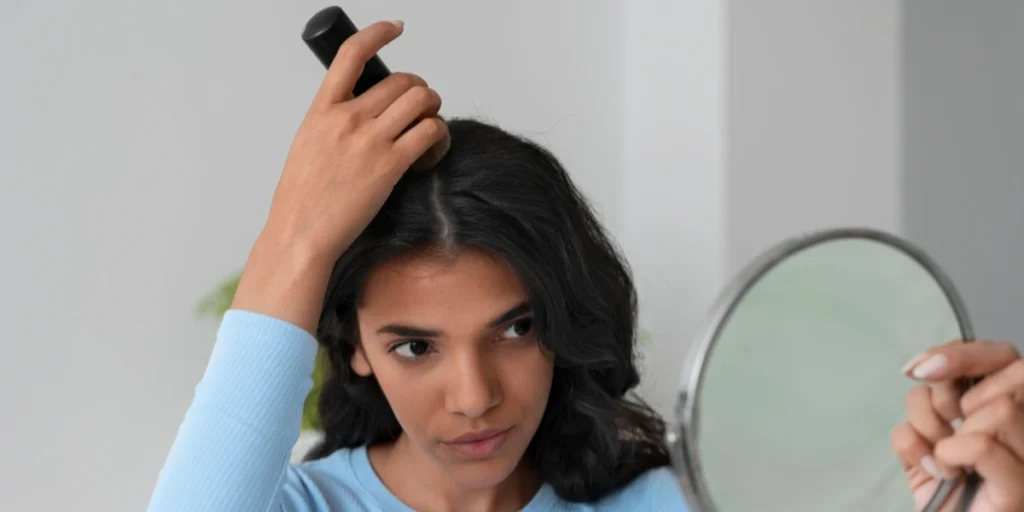
Will hair return after trichotillomania? Many individuals dealing with this condition in the UK wonder about regrowth.
It really comes down to how much time has passed since pulling began. If the roots beneath the skin remain intact, new growth can happen.
Damage that lasts too long might stop hair from coming back fully.
When someone stops yanking their hair, regrowth often happens.
Getting help fast makes healing more likely. After things settle down, certain folks might try treatments that aren’t surgery only if a specialist says so. A steady hand matters most.
Emotional Impact and Daily Challenges
Shame slips in quietly, settling into everyday moments. Self-doubt grows stronger when mirrors are avoided each morning.
Some choose hats simply because it feels safer that way. Makeup thickens on skin, not to enhance, but to hide. Wig by wig, routines build around concealment.
Withdrawal follows like a shadow after noon. Appearance changes mark only part of the story unfolding.
Finding out that pulling hair isn’t about weakness changes everything.
Talking with others who get it, learning more, getting help – these pull back the curtain on loneliness. Shame shrinks when someone says they’ve been there too.
Trichotillomania Treatment UK: A Holistic Approach
One way to handle trichotillomania in the UK involves talking therapies alongside daily strategies that help manage urges.
Sometimes, progress comes from small changes over time rather than quick fixes. Support groups offer space to share what it feels like pulling hair brings up.
Other times, tracking moments before a pull helps spot patterns.
Therapy types such as CBT show results for some people but not everyone responds the same. What works can shift week by week.
Physical tools, like wearing gloves, act as reminders to pause.
Still, emotional triggers stay unique to each person. Finding balance matters more than aiming for perfection
Identifying emotional triggers
- Replacing pulling with safer behaviours
- Stress reduction strategies
- Professional monitoring of hair and scalp health
Healing takes time, though steps forward can happen when support fits the situation.
Final Thoughts
Looking back, trichotillomania might seem overwhelming. Yet support exists.
Starting with the NHS route for hair-pulling issues works. So does reaching out to a specialist in the UK. What counts is beginning.
Now that more folks know about it, help is easier to find. Moving forward feels possible when someone listens. Healing happens slowly, yet it does happen. Treatment exists, making life clearer day by day.