Female pattern baldness early signs often begin with a specific kind of panic that sets in when you look down at the shower drain or run a hand through your hair and come away with more strands than usual.
For most women, the immediate question isn’t “how do I fix this?” but rather, “Is this actually happening, or am I just stressed?” In the world of hair restoration, we see a massive gap between the moment a woman notices her hair “feels different” and the moment she seeks professional help.
This gap is usually filled with expensive, ineffective “miracle” shampoos and a lot of hats. If you feel like your ponytail is getting thinner or you’ve noticed a widening part line in women around you, you aren’t being paranoid. You’re likely catching the female pattern baldness early signs.
Here is how to tell the difference between a temporary “shed” and a permanent change, and the exact steps to take today.
Shedding vs. Thinning: The Critical Difference
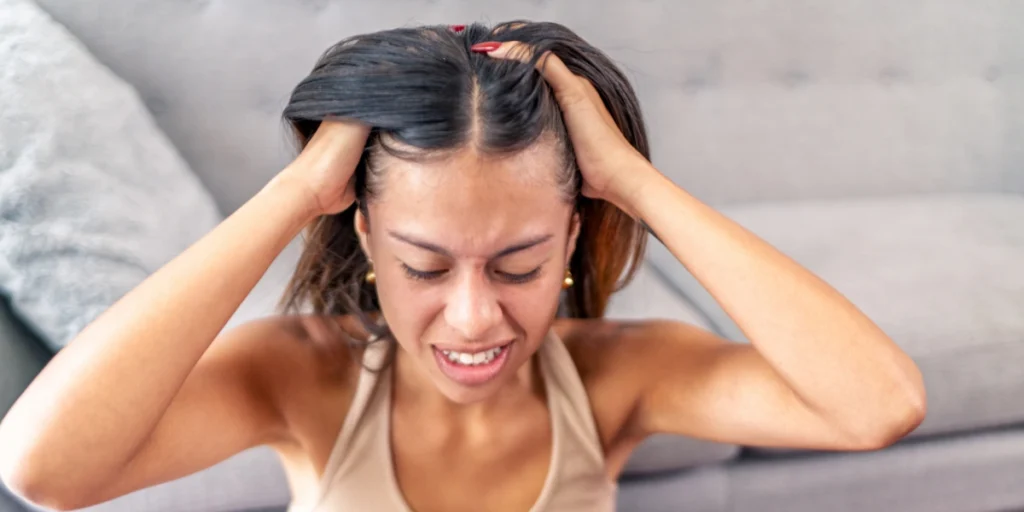
Before we dive into the symptoms, we have to clear up a common misconception. Hair loss and hair shedding are not the same thing.
- Telogen Effluvium (Shedding):
This is a reactive process. It happens after a shock to the system—childbirth, high fever, extreme stress, or rapid weight loss.
You see hair everywhere: on your pillow, the floor, and your clothes. The good news? It’s usually temporary and the hair grows back once the trigger is removed.
- Androgenetic Alopecia (Thinning):
This is a genetic, progressive condition. The scary part? You might not see a lot of hair falling out. Instead, the hair that grows back is simply thinner, shorter, and more translucent than before.
This physiological change is known as follicle miniaturization.
If your hair is falling out in clumps, it’s likely shedding.
If your hair is staying on your head but you can see more of your scalp than you used to, you are likely witnessing female pattern baldness early signs.
The “Mirror Test”: 3 Subtle Signs You Shouldn’t Ignore
Female pattern baldness rarely results in a smooth, round bald spot like it does for men. Instead, it’s a diffuse thinning that follows a specific pattern, often measured by the Ludwig Scale.
1. The “Christmas Tree” Part Line
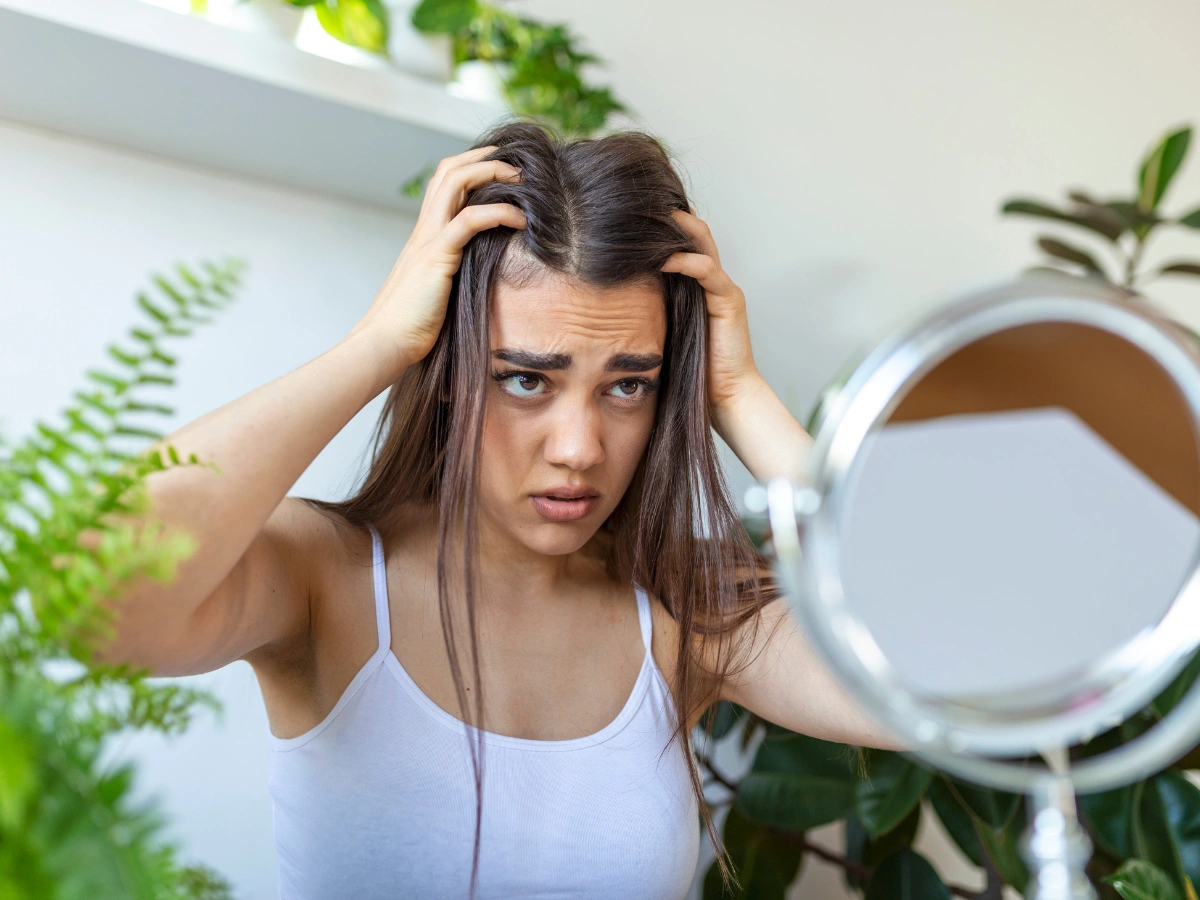
The most common indicator of female pattern baldness early signs is a widening of your centre part.
When you look in the mirror under direct light, the skin of your scalp becomes more visible at the very front of your hairline and expands as it moves back toward the crown.
This resembles the shape of a Christmas tree. If you find yourself needing to style your hair specifically to hide the line where you part it, the follicles there are beginning the miniaturisation process.
2. The Translucent Temple
Take a close look at your temples and the area just above your ears. In the early stages, the hair here becomes “wispy.” It might look like “baby hairs” that never grow long, but in reality, these are mature follicles that are shrinking.
If you can see your skin through the hair when it’s pulled back, the density is dropping.
3. The Shrinking Ponytail
This is often the first thing women notice. You might find that you have to wrap your hair tie three times instead of two, or the “heft” of your hair feels lighter when you wash it.
Because pattern baldness affects the top and crown of the head, the overall volume of a ponytail significantly decreases even if the hair at the back of your head remains thick.
Can Female Pattern Hair Loss Be Reversed?

This is the question every woman asks the moment they realize their scalp is becoming visible. The answer is: It depends on the timing.
While you cannot “cure” the genetic predisposition for thinning, you can absolutely halt the progression and regrow dormant follicles if they haven’t been inactive for too long.
Think of a hair follicle like a lightbulb; if it’s dimmed, we can “turn the brightness back up” with the right stimulation.
However, if the bulb has been inactive for years (a stage called fibrosis), the follicle effectively retires.
This is why catching female pattern baldness early signs is the single most important factor in successful treatment.
The Best Hair Thinning Treatments for Women Over 40
For women entering perimenopause or menopause, hormonal shifts (specifically the drop in estrogen) can accelerate genetic thinning.
When looking for the best hair thinning treatments for women over 40, a multi-pronged approach is best:
- Minoxidil (5% Foam):
- This is the gold standard. It increases blood flow to the follicle and extends the growth phase (anagen) of the hair cycle.
- Scalp Microneedling:
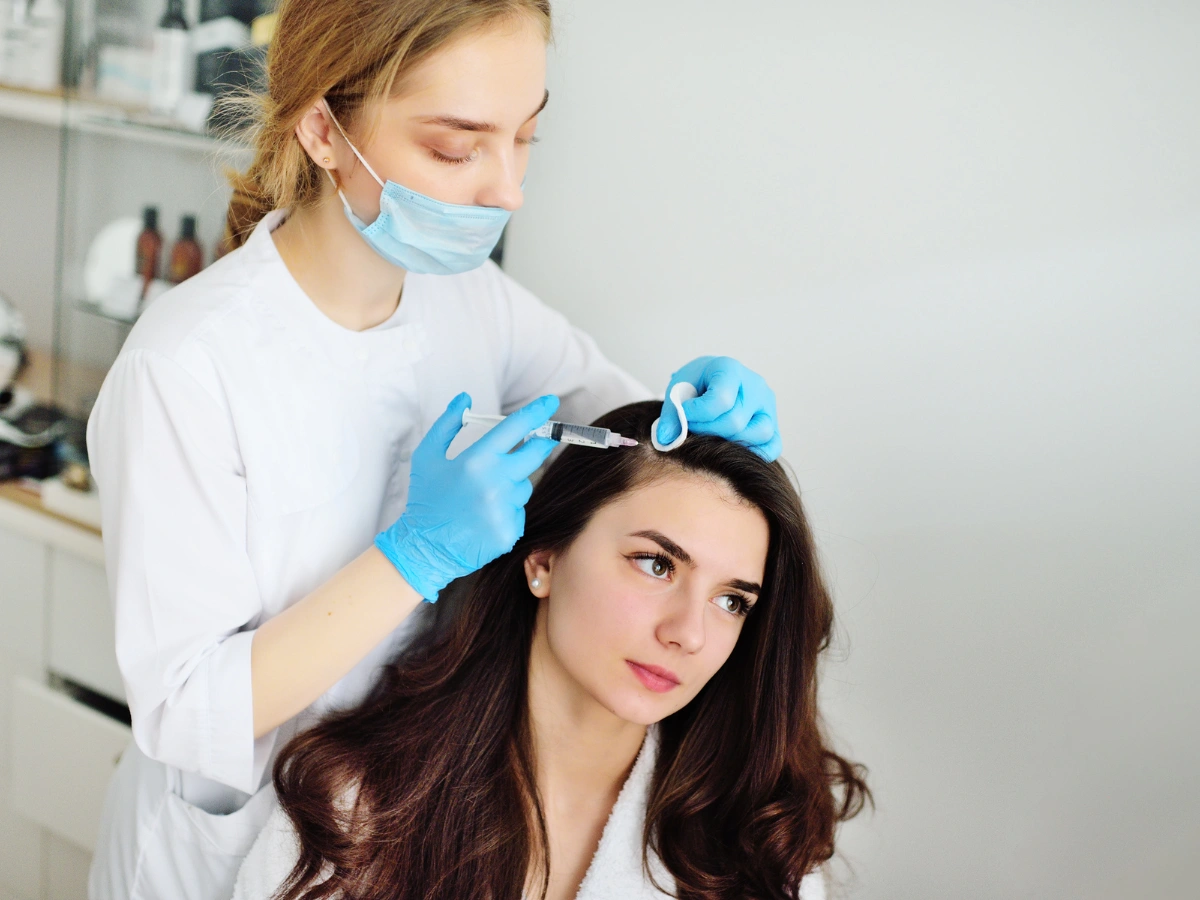
- Using a derma-roller once a week creates micro-injuries that trigger a healing response, flooding the scalp with natural growth factors.
- Low-Level Laser Therapy (LLLT):
- FDA-cleared laser caps can help stimulate cellular activity in the hair bulb.
- Anti-Androgen Supplements:
- Ingredients like Saw Palmetto or prescription options like Spironolactone can help block the DHT that causes follicle miniaturization.
The Bottom Line
Female pattern baldness is a journey that is as much emotional as it is physical.
The “wait and see” approach is the enemy of a full head of hair. By the time hair loss is visible to a casual observer, you have likely already lost 50% of your hair density in that area.
Be proactive. Monitor your part line, check your temples, and if something feels off, trust your gut. Recognizing female pattern baldness early signs today means you have the power to keep your hair for decades to come.
Frequently Asked Questions (FAQ)
How can I tell the difference between normal shedding and female pattern baldness?
Humans naturally lose 50–100 hairs a day. If you notice a sudden increase in hair on your brush (shedding), it may be temporary. However, if you notice a widening part line in women‘s hair styling or visible scalp on the crown, it is likely the start of pattern thinning.
Can female pattern hair loss be reversed with diet alone?
While nutrition (Iron, Zinc, and Vitamin D) is vital for hair health, it cannot stop a genetic condition like androgenetic alopecia. Diet supports the hair you have, but medical treatments are usually required to stop the thinning process.
Does menopause cause female pattern baldness?
Menopause doesn’t “cause” it, but it unmasks it. As estrogen levels drop, the male hormones (androgens) already in your body have a stronger effect on your hair follicles, leading to faster thinning.
What is follicle miniaturization exactly?
It is the process where a hair follicle gets smaller with every growth cycle. The hair becomes finer, shorter, and eventually stops breaking through the surface of the skin entirely.